

Almasar Alshamil Education outlines vision for future of learning at Education Investment MENA 2026

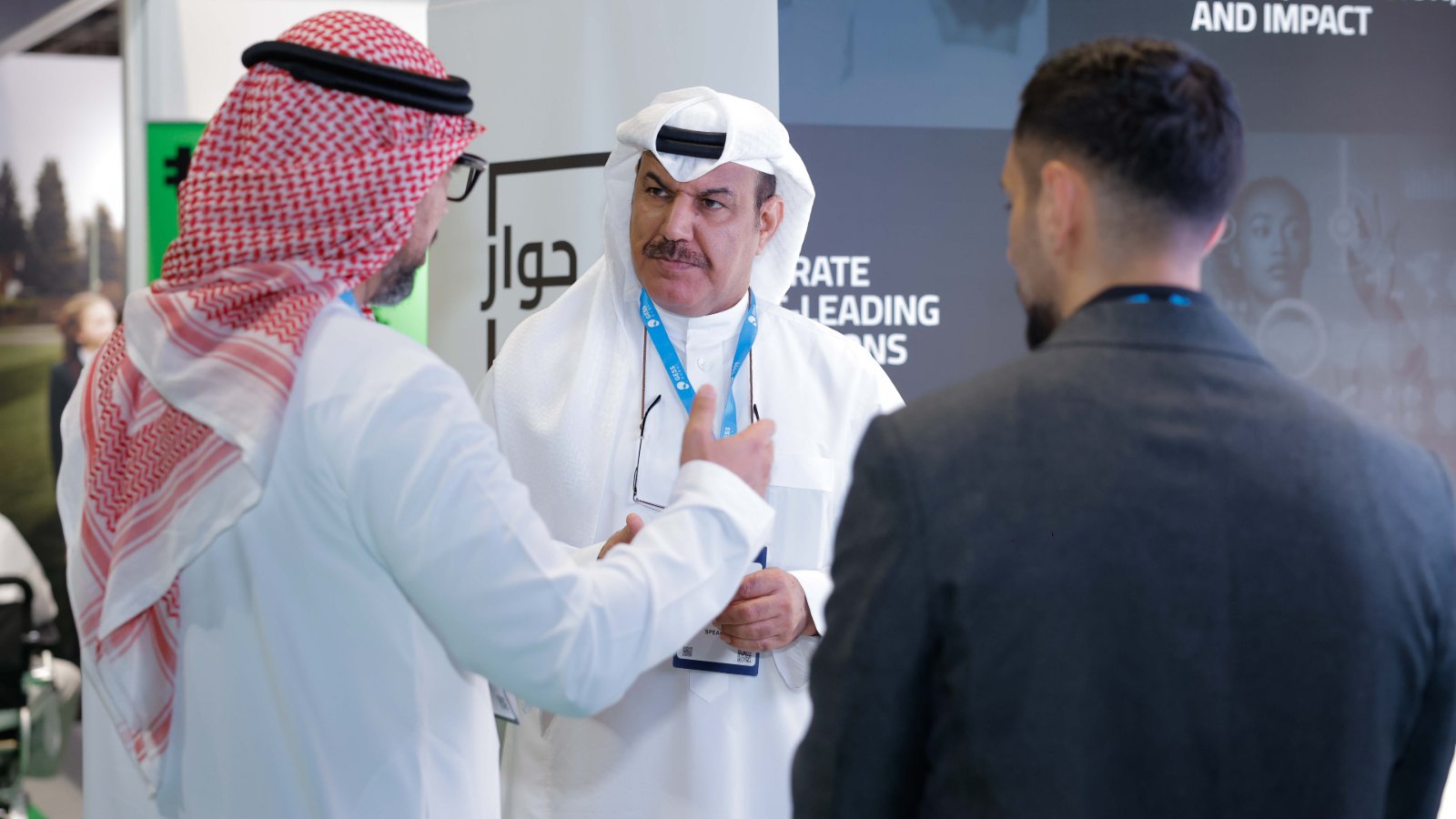
Almasar Alshamil Education has highlighted the importance of collaboration between education providers, technology companies and entrepreneurs in shaping the future of learning across the Middle East.
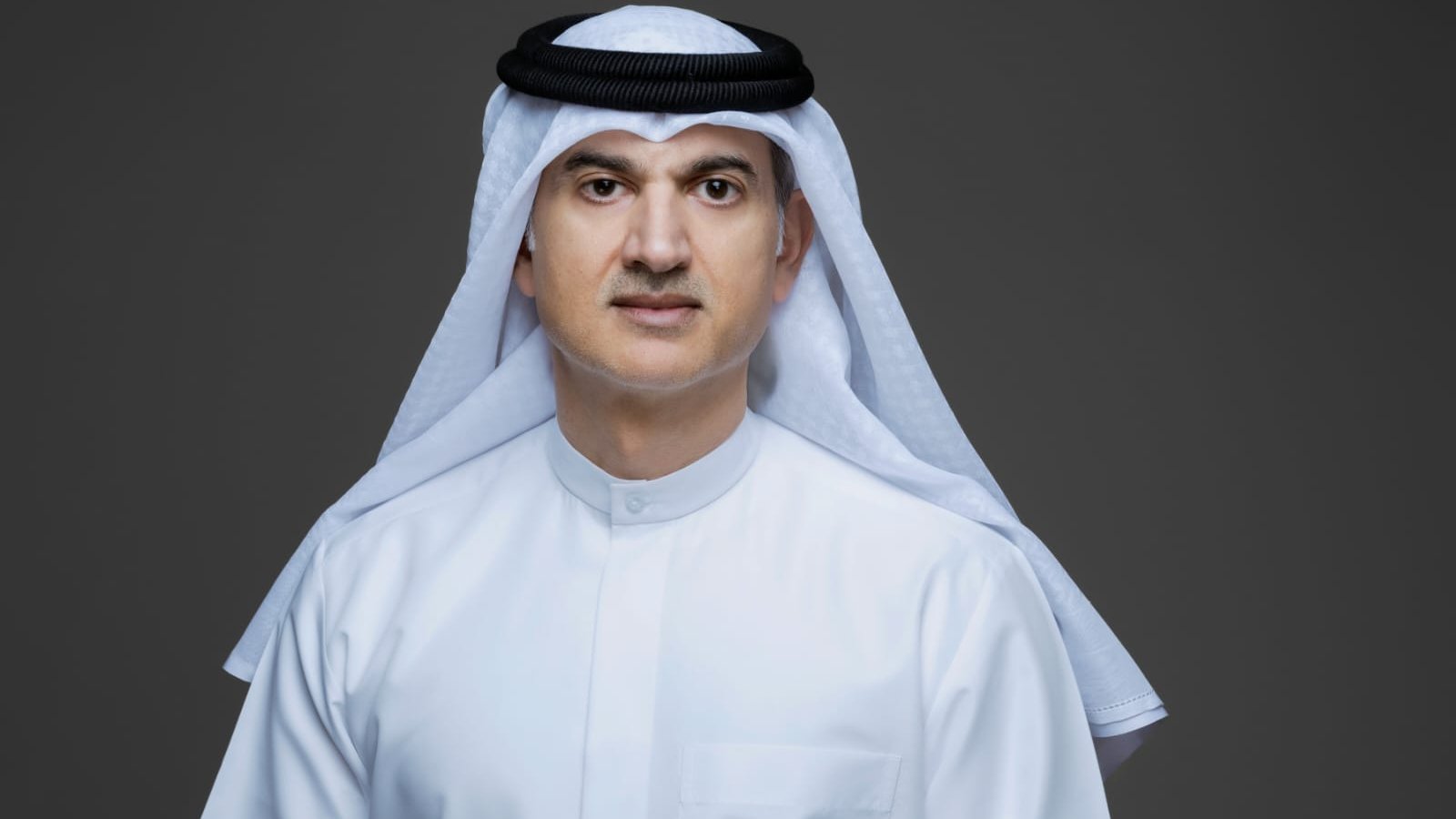
Majed Al Mutairi, Chief Executive Officer of Almasar Alshamil Education, shared the group's perspective during Education Investment MENA 2026, held alongside GESS Dubai at Dubai World Trade Centre this week.
The three-day event brought together education operators, investors, entrepreneurs, policymakers and regulators to discuss the future of private education, from early years to lifelong learning. Digital transformation and cross-border investment were among the key themes.
Al Mutairi said no single type of organisation would define the future of education, arguing that established institutions, technology companies and entrepreneurs each bring different capabilities to the sector.
“Technology can increase access, personalisation and efficiency; established institutions provide quality assurance, expertise and trust; and entrepreneurs can challenge established models and accelerate innovation,” he said. He added that successful education systems would combine these strengths around learners' needs.
AI and technology must support learning outcomes
Al Mutairi also emphasised that technological innovation, including artificial intelligence, must be guided by clear educational objectives and accountability.
He said AI and emerging technologies could improve student experiences through greater personalisation and help identify learners who may need additional support. Technology could also assist with assessment and quality assurance, but responsibility for maintaining academic standards must remain with people.
He added that innovation should ultimately be measured by its impact on learning outcomes.
Almasar reports growth across its education portfolio
The group's participation comes as Almasar Alshamil Education reports growth across its operations in Saudi Arabia and the UAE.
Following the announcement of its third-quarter 2026 financial results, the group reported a 21% year-on-year increase in students and beneficiaries to 28,900 in the 2025/26 academic year. Revenue also rose 21% to SAR 405.5 million.
Enrolment growth was reported across its three main operations:
-
Middlesex University Dubai: 7,200 students, up 16% year-on-year.
-
Human Development Company (HDC): 7,700 students and beneficiaries, up 19%.
-
NEMA Holding: 14,000 students, up 24%.
HDC's Special Needs Education and Care daycare network also expanded to 50 centres, compared with 44 in the previous year.
Almasar Education operates in specialised education and care through HDC in Saudi Arabia, while its UAE higher education portfolio includes Middlesex University Dubai and NEMA Holding, which operates Abu Dhabi University and Liwa University.
The group describes itself as a leading provider of specialised education in the GCC and Saudi Arabia's largest private provider of Special Needs Education and Care.
Long-term investment and regional expansion
Discussions at the event also examined investment priorities as education systems respond to economic diversification, changing workforce requirements and rising demand for high-quality education.
Al Mutairi said investment decisions should take a long-term view, balancing market demand with educational quality, relevance and accessibility.
He added that providers have a responsibility to equip learners with practical knowledge and the ability to adapt to changing economic conditions.
Almasar Education continues to develop its presence in Saudi Arabia and the UAE, focusing on its specialised education and care and higher education businesses while assessing opportunities for organic growth, strategic partnerships and expansion into complementary education segments.
Al Mutairi concluded that collaboration among educators, investors, innovators and policymakers would be essential to building education systems that are more inclusive, innovative and responsive to the needs of learners and regional economies.