

Ajman University hosts 3rd Family and Society Conference to advance family wellbeing and social protection

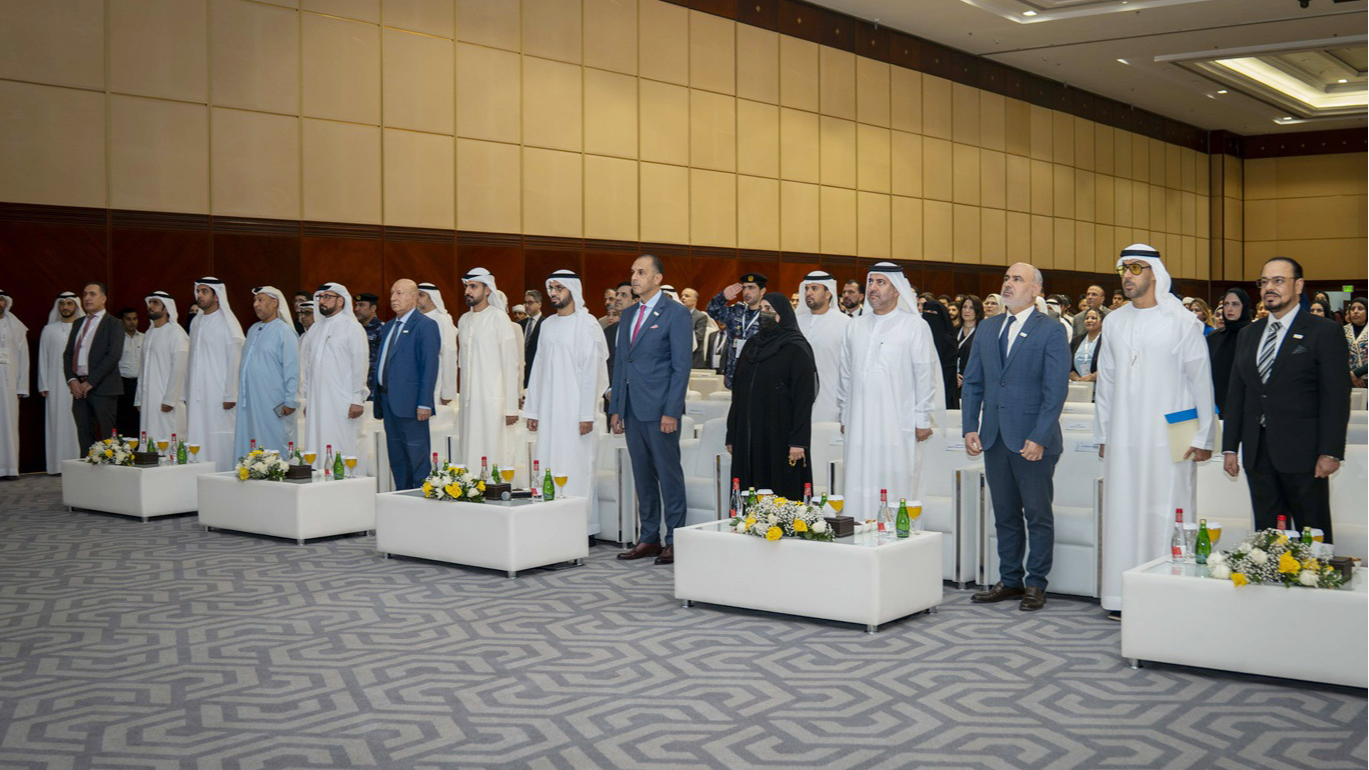
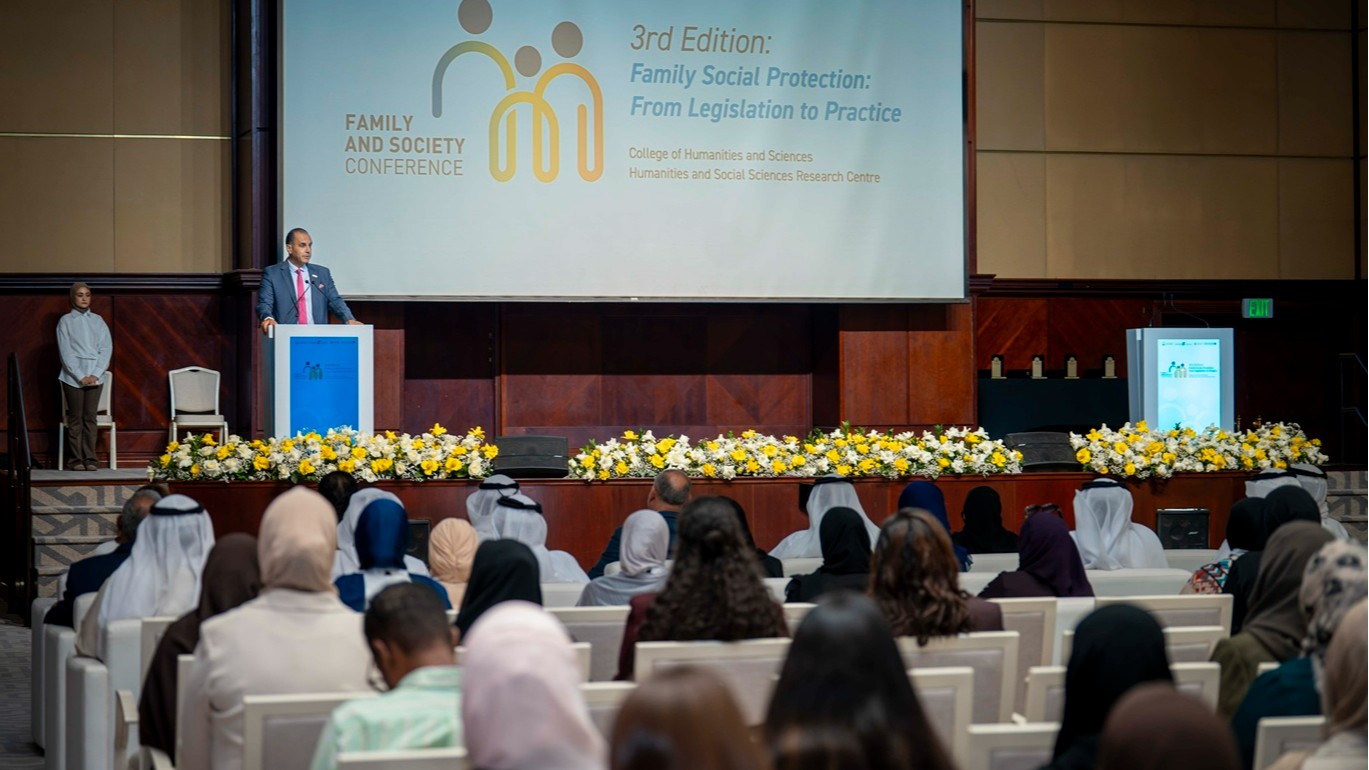
Ajman University hosted the third edition of its Family and Society Conference under the patronage of H.H. Sheikh Ammar bin Humaid Al Nuaimi, Crown Prince of Ajman, Chairman of the Executive Council and Chairman of the University’s Board of Trustees.
Inaugurated by H.E. Brigadier Sheikh Abdullah bin Saeed Al Nuaimi, Director of the Community Protection and Prevention Department at Ajman Police General Headquarters, the two-day conference focused on strategies to improve family wellbeing, strengthen social protection and promote community cohesion.
Held under the theme ‘Family Social Protection: From Legislation to Practice,’ the conference brought together policymakers, academics, researchers, social development specialists and community leaders from the UAE and abroad.
The event was organised by Ajman University's College of Humanities and Sciences and its Humanities and Social Sciences Research Center, in collaboration with the Emirates Association for Social Development, Tarahum Charity Foundation and Université Paris Cité.
Focus on translating legislation into practical support
The conference provided a platform for exchanging research and perspectives on how social policies and legislation can be translated into effective support for families. Discussions addressed family legislation, digital parenting, psychological wellbeing, education and the potential applications of artificial intelligence in family and community development.
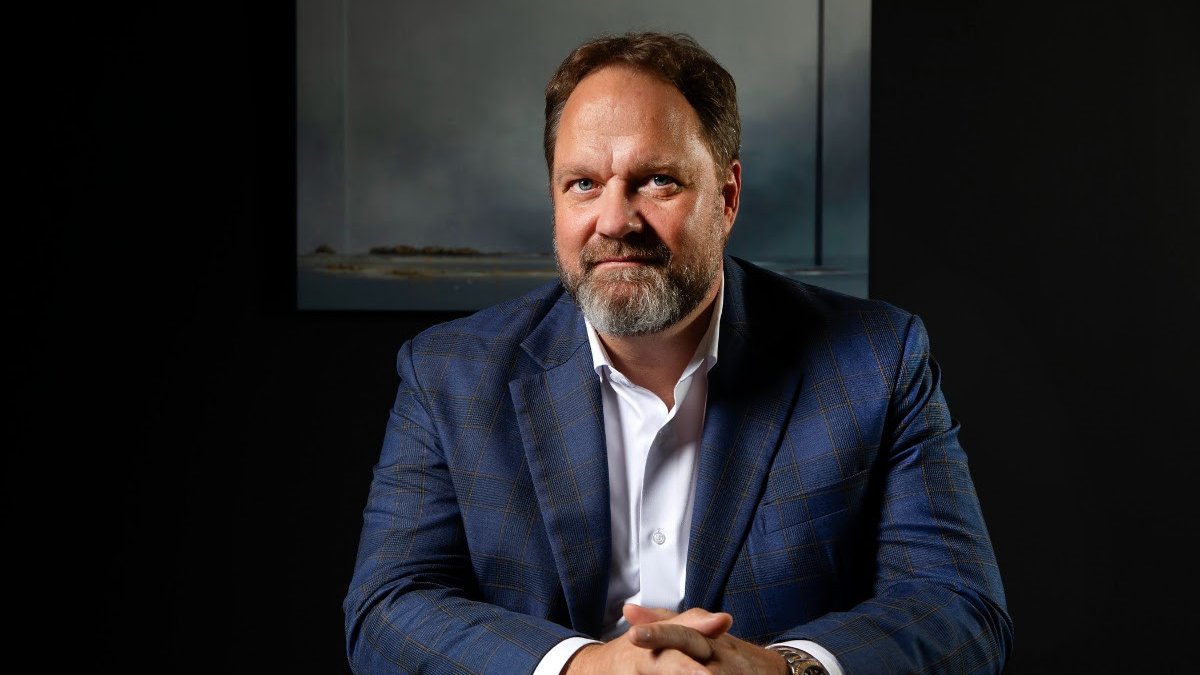
Dr. Karim Seghir, Chancellor of Ajman University, said that legislation establishes rights, but institutions must ensure those rights translate into meaningful support for families.
He emphasised that effective social protection requires families to have confidence in navigating services, access assistance when needed and receive support with dignity.
Dr. Seghir added that the success of social protection policies should be assessed through their tangible impact on families rather than legislative frameworks alone. He also highlighted the importance of cooperation between policymakers, researchers and practitioners in responding to emerging social challenges, particularly those associated with digital transformation and artificial intelligence.
Government officials and experts participate
The programme featured keynote addresses by H.E. Dr Omar Habtoor Al Darei, Chairman of the General Authority of Islamic Affairs, Endowments and Zakat, and H.E. Abdullah Al Nuaimi, Assistant Undersecretary for the Family and Child Sector at the Ministry of Family.
Representatives from government bodies, social development institutions and specialist organisations across the UAE and other countries also took part.
Participating entities included the Ministry of Interior, Ajman Police, the Ministry of Family, the Dubai Foundation for Women and Children and the Sharjah Family Development Foundation, alongside several social development organisations.
Their participation highlighted the role of cross-sector cooperation in developing effective approaches to family welfare and social protection.
Research presentations and practical workshops
The conference programme included approximately 50 research presentations delivered across 11 parallel sessions, alongside two plenary panel discussions, three workshops and around 20 student research papers. Participants represented seven countries.
Panel discussions examined the implementation of family protection legislation, digital media literacy among children and young people, family counselling, mental health, quality of life, child protection frameworks and social responsibility. Participants also explored how AI-driven solutions could contribute to improving family wellbeing.
Specialised workshops addressed practical areas of family and community support, including positive parenting, domestic violence prevention and support frameworks for People of Determination and their families.
The third edition of the Family and Society Conference highlighted the importance of continued dialogue, research and collaboration across sectors to address changing family and social needs. It also emphasised the need to translate research and policy discussions into practical initiatives that strengthen families and support more cohesive communities.