


Why Industrial Piping Systems Need Room to Move

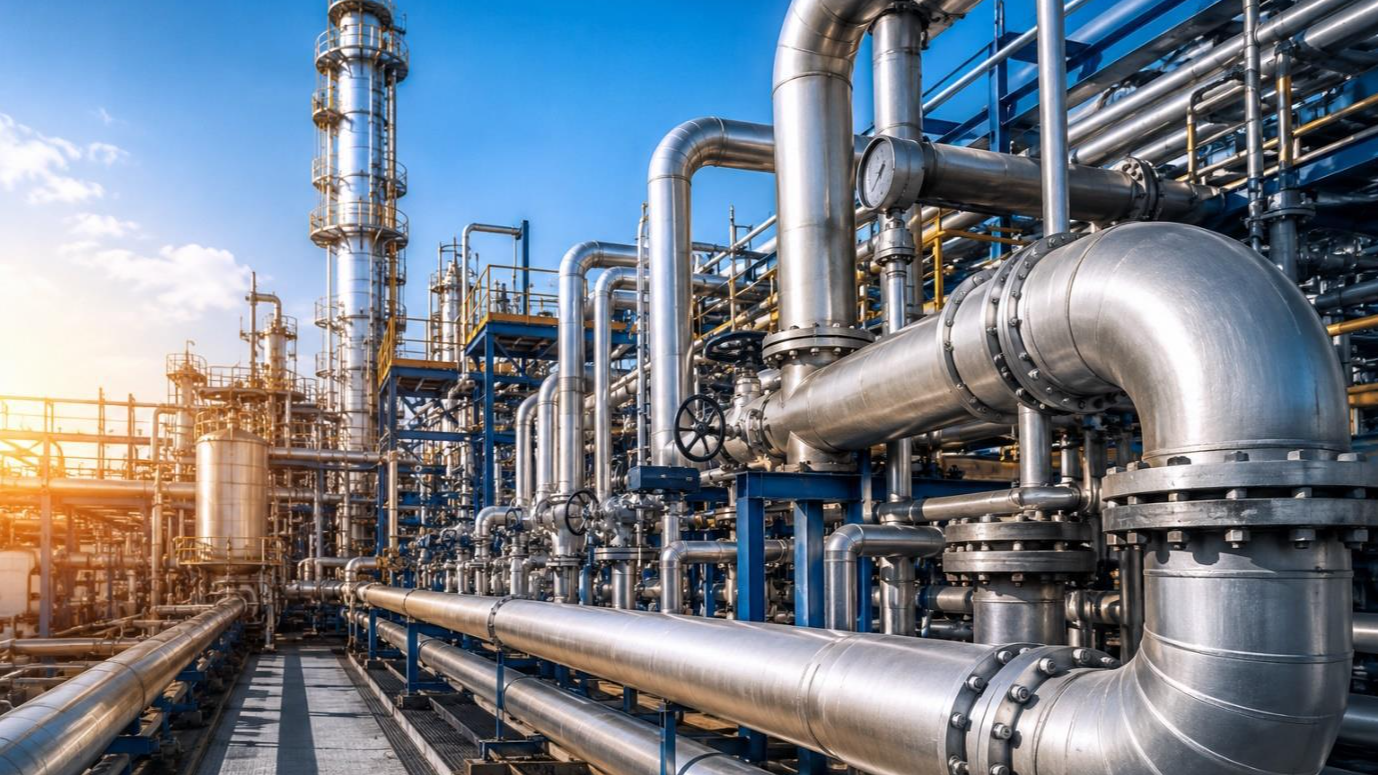
Industrial pipework often appears completely still. A network of steel pipes runs neatly through a facility, carrying steam, water, oil, gas or chemicals from one area to another. Everything looks solid, controlled and firmly anchored. Yet those pipes are constantly reacting to temperature changes, pressure fluctuations, equipment vibration and structural movement. The motion may be difficult to see, but the forces it creates can affect every connection in the system.
Giving pipework enough flexibility is therefore a fundamental part of industrial design. Without carefully planned movement control, even a strong piping system can develop leaks, distorted supports, damaged valves and premature joint failures. Expansion joints help engineers manage these forces while keeping operations safe, stable and efficient.
Heat Changes the Length of Pipes
Metal expands when heated and contracts as it cools. The amount of movement in a short domestic pipe may seem insignificant, but the effect becomes far greater across a long industrial pipeline. Steam lines, exhaust systems, chemical processing units and power plants regularly operate at temperatures capable of producing considerable thermal expansion.
Working with an experienced stainless steel expansion joints manufacturer allows engineers to select components suited to the pipe material, operating temperature, pressure level and expected range of movement. A well-designed joint gives the pipeline controlled flexibility instead of forcing the metal to absorb stress at vulnerable points. This can protect welds, flanges, supports and connected machinery from loads they were never intended to withstand.
Suppose a long steel pipe is firmly fixed at both ends and then exposed to high heat. The pipe naturally tries to grow, but the fixed points prevent it from doing so. Stress begins building inside the material and must eventually find another outlet. The pipe might bow, a support could bend, or a connection may begin leaking. An expansion joint provides a designated area where that movement can occur safely.
Movement Comes From Several Sources
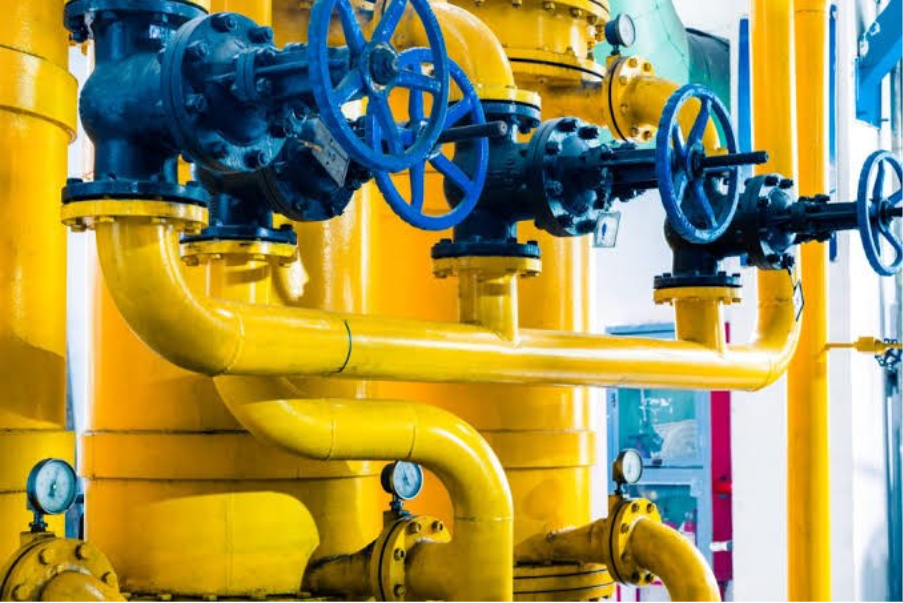
Thermal expansion receives plenty of attention, although temperature is only one cause of pipe movement. Pumps, compressors, turbines and fans create vibration that can travel through connected pipework. Even relatively small vibrations may loosen fittings, fatigue welds and wear seals when they continue for thousands of operating hours.
Buildings and equipment foundations also move. Floors settle, structural frames flex under changing loads, and outdoor pipelines respond to wind or ground movement. Seismic activity presents another concern in certain locations. Each source of motion may be manageable on its own, but their combined effect can place complicated forces on a piping system.
Expansion joints help absorb axial, lateral and angular movement. Axial movement travels along the length of the pipe, while lateral movement occurs sideways. Angular movement changes the alignment between connected sections. Identifying which movements are likely to occur is essential because different joint designs handle different forces.
How Expansion Joints Work
A metal expansion joint generally contains a flexible section known as a bellows. Its corrugated shape allows it to compress, extend, or bend while maintaining a sealed passage for the substance moving through the pipe. Stainless steel is commonly used for bellows because it offers useful strength, corrosion resistance and flexibility, although the correct material depends on the service conditions.
The joint may also include end fittings, liners, covers, tie rods or hinges. Internal liners can protect the bellows from high flow velocities, abrasive particles and turbulence. External covers shield the flexible section from accidental impact, falling debris and harsh surroundings. Tie rods and hinges help control the direction of movement and restrain forces created by internal pressure.
These components need to work together as a complete assembly. Adding a flexible bellows without considering anchors, guides and supports can create new problems elsewhere in the pipeline. Pressure thrust may push the system out of alignment, while poor guiding can cause the bellows to buckle. Successful movement control depends on understanding the behaviour of the entire system rather than treating the joint as an isolated fitting.
Selecting the Right Joint
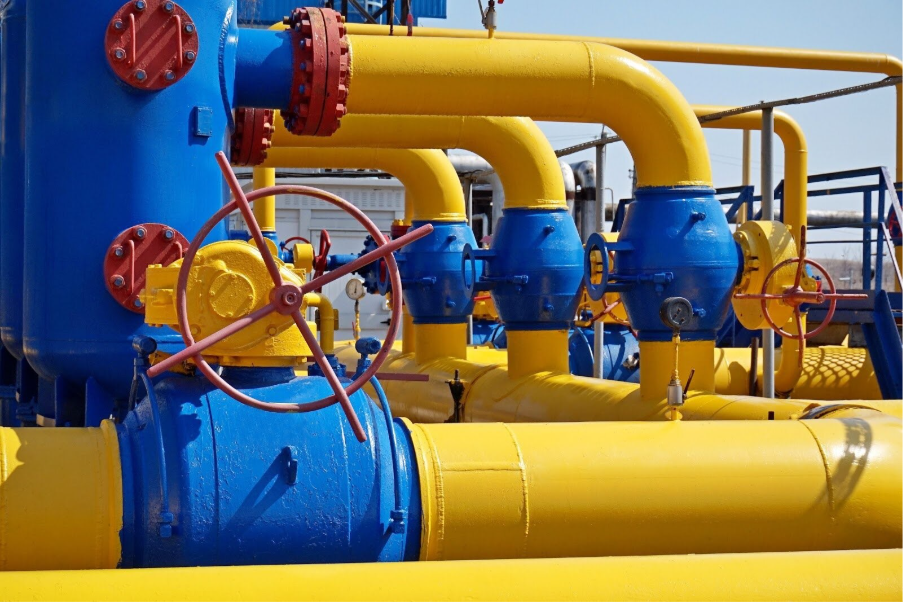
Choosing an expansion joint begins with accurate operating information. Engineers need to know the normal and maximum temperatures, internal pressure, pipe diameter, flow conditions and transported medium. They must also calculate the expected movement and determine how frequently the joint will cycle during its service life.
Material compatibility deserves equal attention. A joint carrying clean water faces very different conditions from one exposed to corrosive chemicals, hot exhaust gases or abrasive solids. Selecting an unsuitable alloy may lead to rapid corrosion or cracking even when the joint has the correct dimensions. Protective liners, coatings or specialised alloys may be necessary for demanding applications.
Available installation space can also influence the design. Some piping layouts allow a single joint to absorb movement, while others require linked assemblies, hinged joints or pressure-balanced configurations. Engineers may also use pipe loops to accommodate thermal growth, though loops require considerable space and additional supports. Metal expansion joints are especially useful when space is limited, or movement must be managed within a compact area.
Installation Requires Precision
An excellent expansion joint can still fail early when installed incorrectly. Bellows are designed to handle specific types and amounts of movement, so they should never be stretched, compressed or twisted simply to correct poor pipe alignment. Forcing a joint into position creates stress before the system has even started operating.
Welding and handling practices matter as well. Weld spatter can damage the thin bellows material, while careless lifting may dent the corrugations. Shipping bars, when supplied, must be removed at the correct stage. Anchors and guides should also be installed according to the piping design so that movement travels towards the joint in the intended direction.
Installation teams benefit from checking the flow direction, joint orientation and surrounding clearance before commissioning. Any protective covers should remain unobstructed, and the bellows must have enough room to move through its full calculated range. These details may appear modest during construction, but they have a major influence on long-term reliability.
Maintenance Prevents Unexpected Failures
Expansion joints operate inside busy industrial environments where heat, moisture, chemicals and vibration can gradually cause deterioration. Routine inspection allows maintenance teams to identify warning signs before they interrupt production. Visible corrosion, damaged covers, loose fasteners, distorted corrugations and material deposits all deserve attention.
Leaks are an obvious concern, although other signs can reveal trouble earlier. Unexpected pipe movement, unusual noise, damaged supports or changes in equipment vibration may indicate that the joint is no longer performing correctly. Comparing its current condition with installation records can help teams recognise deformation or movement outside the original design range.
Cleaning must be carried out carefully because aggressive tools can scratch or weaken the bellows. Any replacement should match the technical requirements of the system rather than relying only on physical dimensions. Two joints may look similar while having very different pressure ratings, movement capacities and material properties.
Conclusion
Industrial piping systems perform demanding work quietly in the background. Their reliability affects production schedules, energy use, worker safety and maintenance costs. Giving those systems controlled room to move reduces unnecessary stress and helps connected equipment operate under more stable conditions.
Rigid construction often looks reassuring, but industrial reliability depends on understanding where movement will occur and preparing for it. Pipes will expand, machinery will vibrate and structures will shift slightly over time. Effective engineering accepts that reality and guides the movement safely, turning flexibility into a practical form of protection.