
Why Dubai’s Real Estate Pipeline Is Changing How and When People Relocate
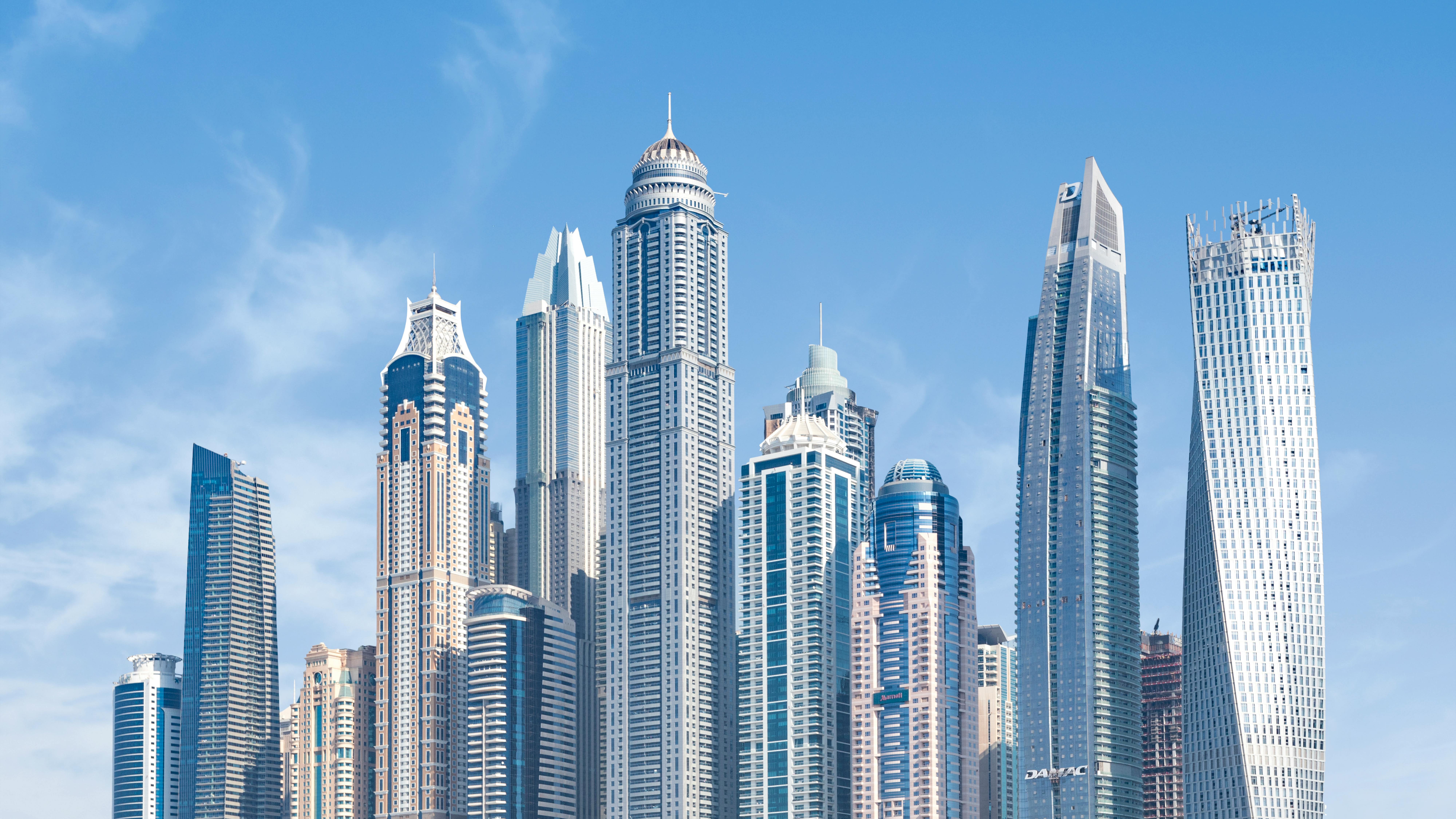
Dubai’s property market has entered a new phase driven by supply visibility. The term Dubai’s real estate pipeline refers to all upcoming and ongoing projects. This includes developments from early planning to final handover. Buyers now track future supply before making relocation decisions. In fact, many people commit to properties years before moving. This shift has changed how people approach relocation. Previously, moves depended on job offers or immediate housing needs. Today, buyers plan around delivery timelines and price cycles. Additionally, investors and end-users behave differently from before. Some relocate earlier to secure better deals, while others wait for completion. The pipeline now shapes both strategy and timing.
The Scale and Speed of Dubai’s Real Estate Pipeline
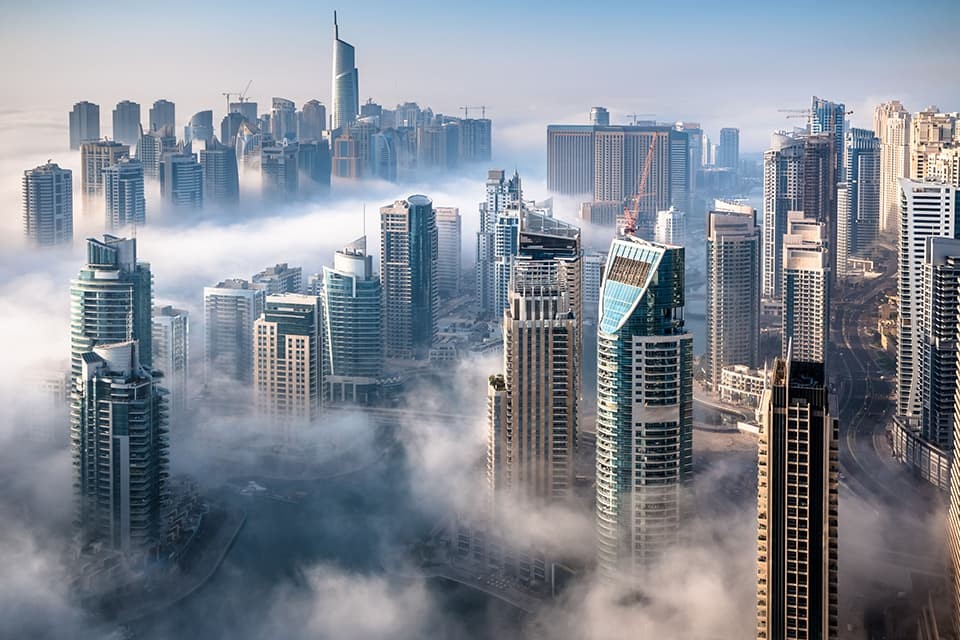
Dubai continues to launch large-scale developments that is supported by strong economic growth. These projects move quickly from announcement to construction. This speed reduces uncertainty for buyers and investors. For example, many communities now reach completion within a few years. This builds confidence and encourages early commitments.
The scale of development also impacts availability and pricing. A larger pipeline means more options across different budgets. Buyers can compare projects before making decisions. Moreover, government planning supports these developments with infrastructure. Roads, schools, and transport systems often align with project timelines. This coordination makes future areas more attractive even before completion.
How Off-Plan Properties Are Reshaping Relocation Timing
Off-plan properties have become a major driver of early relocation planning. Buyers can purchase units before construction finishes. Payment plans spread costs over several years. This reduces financial pressure and attracts more buyers. As a result, people commit to homes long before moving.
These properties also offer lower entry prices compared to ready units. Buyers see this as an opportunity to gain value over time. Furthermore, flexible payment terms allow better financial planning. However, risks still exist, including delays or market changes, so working with professionals might be the best. Buyers now research developers carefully to reduce these risks.
Why Expats Are Moving Earlier Than Before
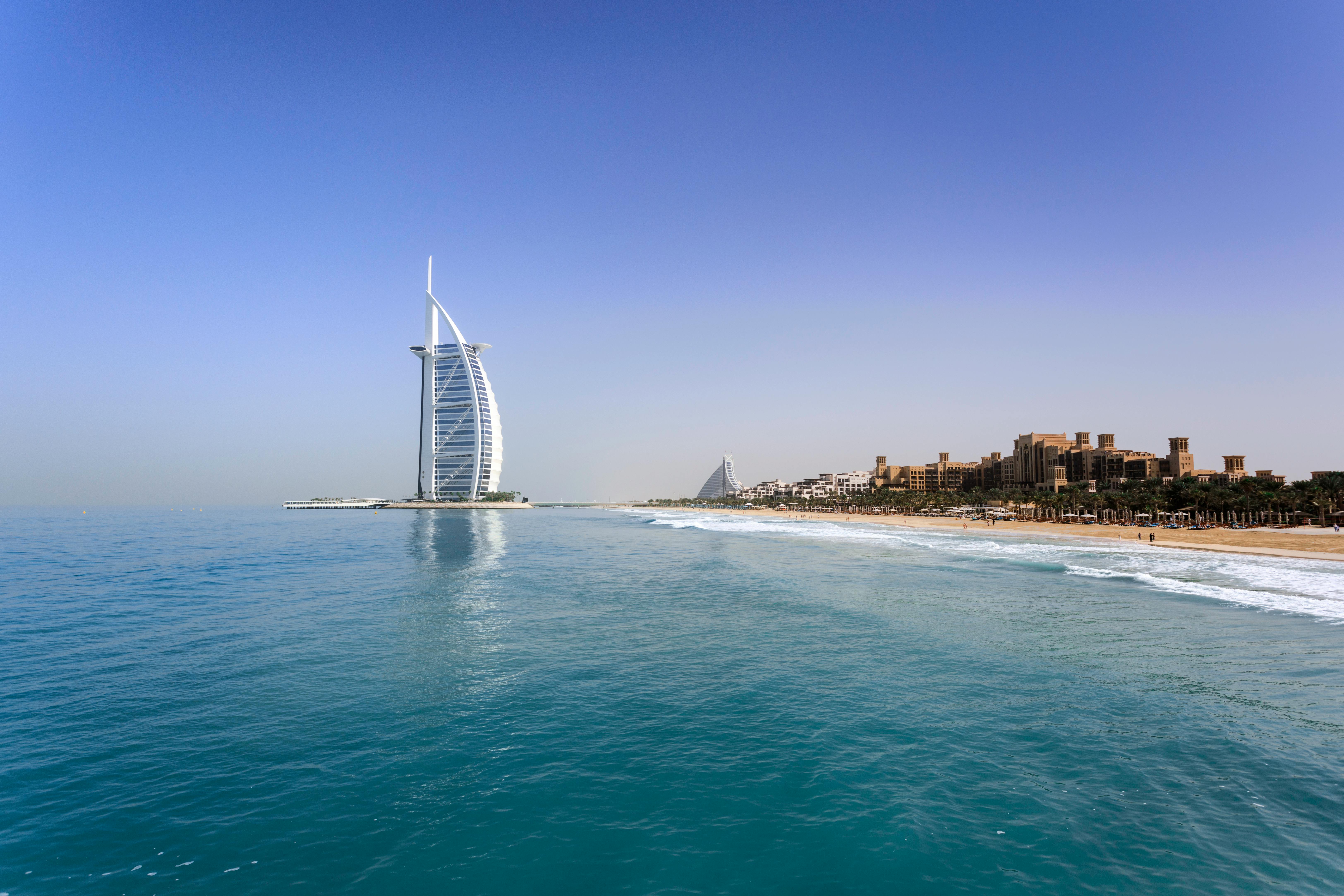
Expats are shifting their relocation timelines due to policy changes and market trends. Property ownership can support long-term residency options. This encourages earlier investment decisions. At the same time, remote work allows people to move without immediate job constraints.
Lifestyle factors also play a larger role in relocation. Many buyers choose Dubai for the quality of life and safety. In addition, new communities offer schools, parks, and retail spaces. These features attract families who plan moves in advance. As a result, relocation is now more strategic than reactive.
Relocation planning now includes practical preparation beyond property selection. You must research key things to know before you move, such as visa rules and school options. Additionally, you should explore daily costs and transport access to better understand Dubai living. For instance, many review healthcare systems and rental trends before arrival. This early preparation reduces stress and avoids last-minute decisions. It also helps expats settle faster once they arrive in Dubai.
The Role of Infrastructure in Relocation Decisions
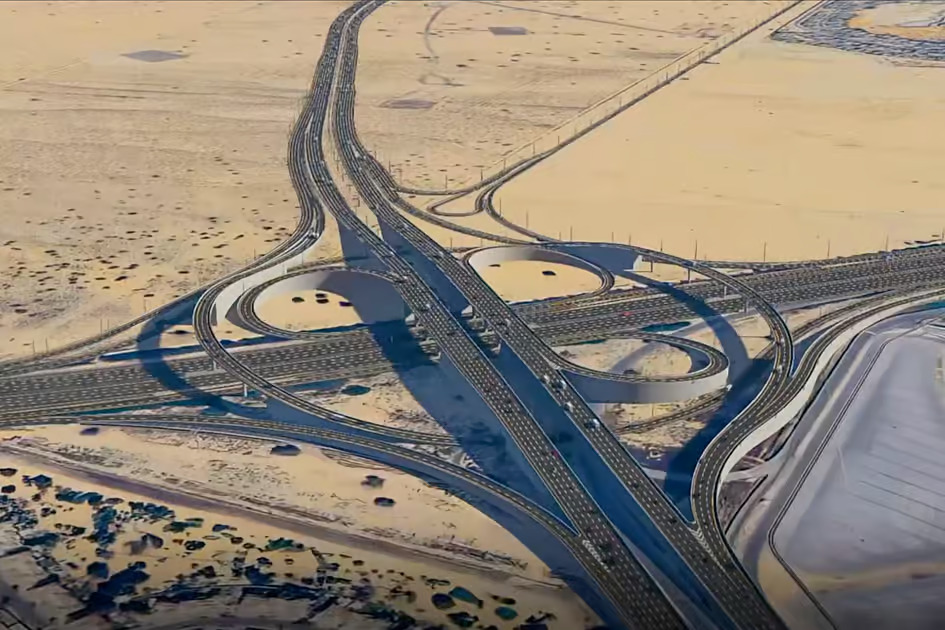
Infrastructure plays a major role in shaping relocation choices. Buyers consider transport links, schools, and healthcare access. These elements influence when and where people move. Consequently, areas with planned infrastructure gain attention early.
Developers and authorities often align projects with infrastructure growth. This creates confidence in future value. Likewise, visible progress in roads or metro lines reassures buyers. People feel more comfortable investing before completion. This trend supports earlier relocation planning across new districts.
Price Cycles and Strategic Entry Points
Property prices in Dubai often follow clear cycles linked to supply. Early project phases usually offer lower prices. Buyers who enter at this stage can benefit from future appreciation. Therefore, timing becomes a key factor in decision-making.
Ready properties behave differently in the market. They reflect current demand and supply conditions. On the other hand, off-plan units reflect future expectations. Buyers must understand these differences to make informed choices. Strategic entry points now depend on pipeline insights rather than current listings.
Dubai’s Real Estate Pipeline and Investor Behavior
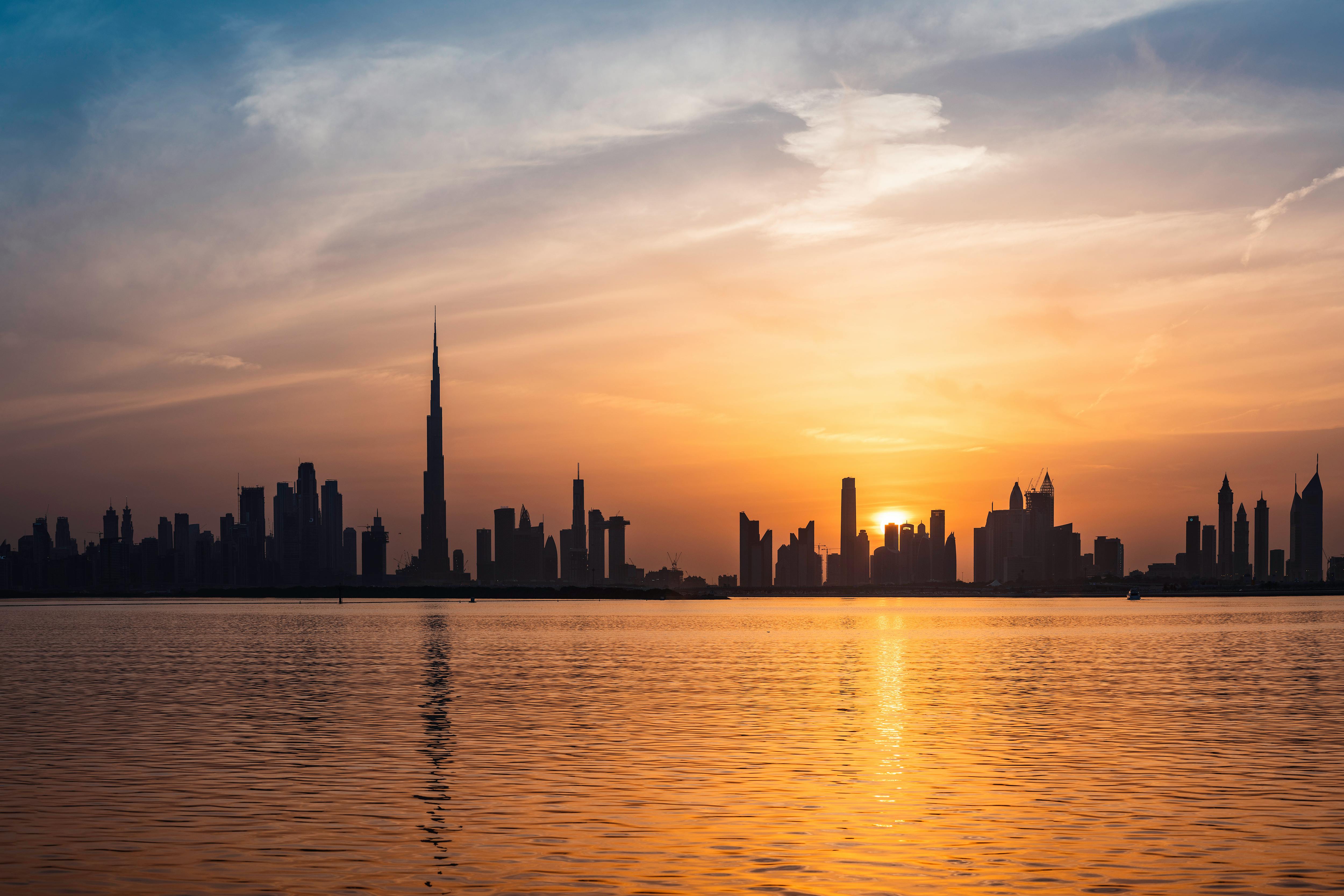
Investor behavior has changed due to increased market transparency. Many investors now study Dubai’s real estate pipeline before committing funds. They analyze the future of the real estate industry in Dubai to predict rental demand and price growth, but also have in mind the history of great development. As a result, decisions rely more on data than speculation.
Long-term investment strategies are becoming more common. Investors focus on rental yields and community growth. Equally important, early identification of emerging areas offers higher returns. This approach reduces risk and improves outcomes. The pipeline acts as a guide for smarter investment planning.
Community Living Trends Influencing Relocation
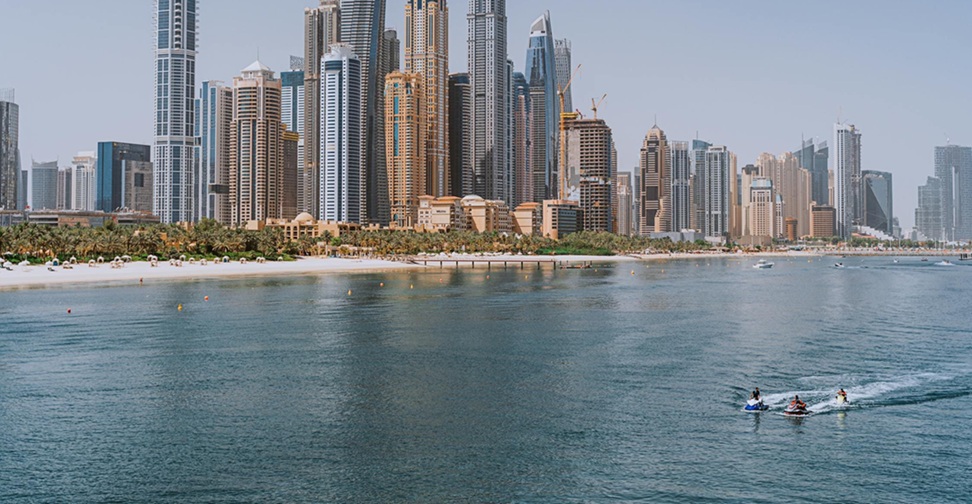
Master-planned communities are shaping relocation choices in Dubai. These developments offer integrated living with modern amenities. Residents can access schools, parks, and retail spaces within the same area. Because of this, families prefer moving into such communities.
Wellness and lifestyle features also attract buyers. Green spaces and fitness facilities play a key role. In the same way, community design supports social interaction and convenience. Buyers now prioritize these factors over simple location. This trend encourages earlier commitments to upcoming projects.
Risks and Considerations Buyers Must Understand
Despite the opportunities, buyers must consider potential risks. Construction delays can affect relocation timelines. Market conditions may also change before project completion. Even so, regulations and leading brokerage companies in Dubai help reduce the buyers' risk.
Choosing the right developer is essential. Buyers should review past projects and delivery records. At the same time, understanding contract terms helps avoid issues later. Careful planning reduces uncertainty and improves decision-making. This approach ensures a smoother relocation process.
Comparing Dubai to Other Global Property Markets
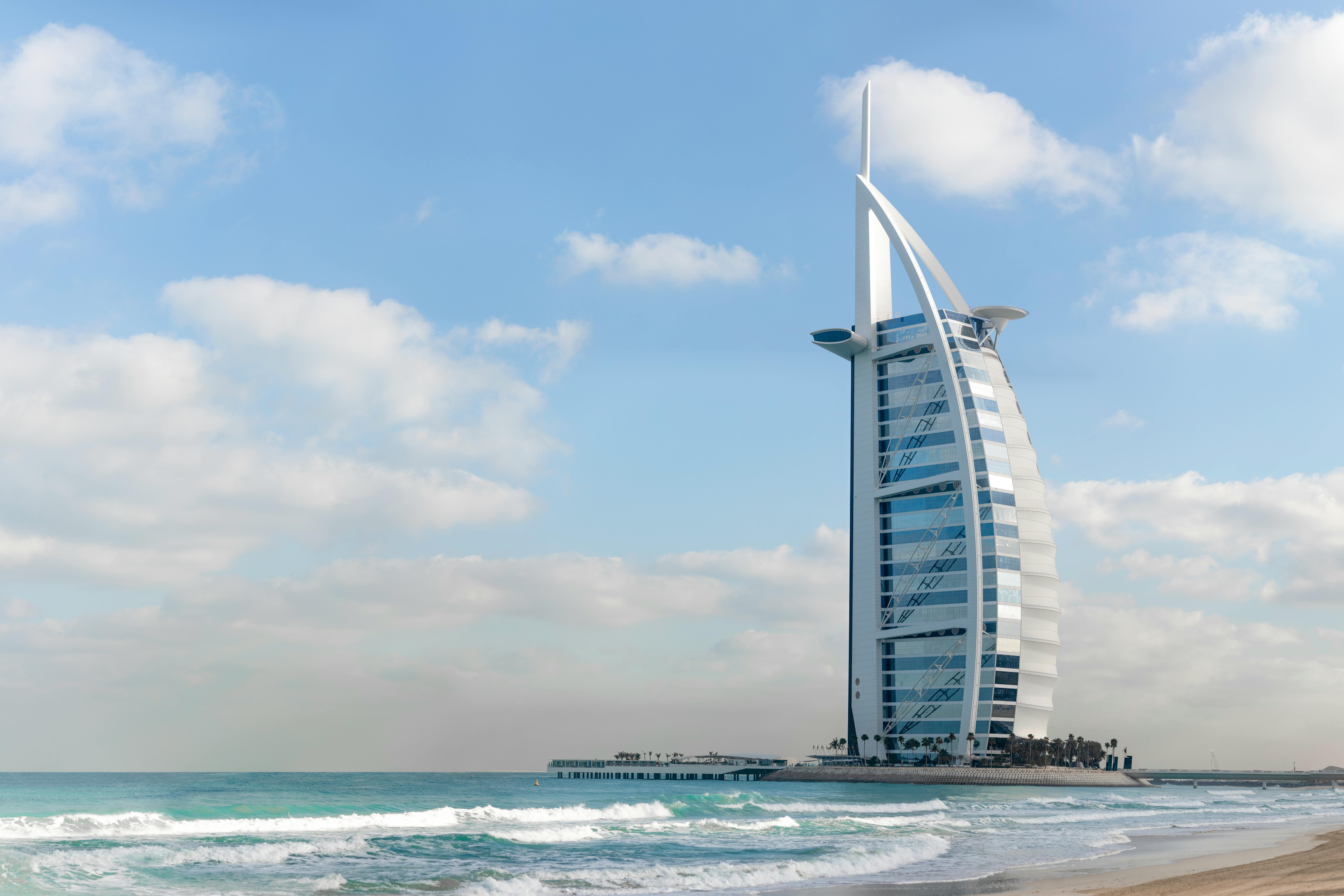
Dubai stands out for its development speed and planning efficiency. Many global cities face limited supply and slow approvals. In comparison, Dubai delivers projects faster and with clear timelines. This attracts international buyers and investors.
Tax benefits also influence relocation decisions. Dubai offers a favorable environment for property ownership. Meanwhile, other cities may impose higher taxes and restrictions. These differences make Dubai more appealing for long-term investment and relocation planning.
Summary: Planning Ahead in a Pipeline-Driven Market
The property market in Dubai now depends heavily on future supply visibility. Dubai’s real estate pipeline has changed how people plan relocations. Buyers no longer wait for completed units before making decisions. Instead, they align their plans with project timelines.
Understanding the pipeline helps buyers make better choices. It allows them to identify opportunities and manage risks. Ultimately, relocation timing now depends on market insight and planning. Those who study future supply gain a clear advantage in Dubai’s evolving property market.





Add Your Directory With Us
Boost your visibility with our Business Directory

Add Your BCard With Us
Open the door to new professional connections.
DayOfDubai
Business Services
