
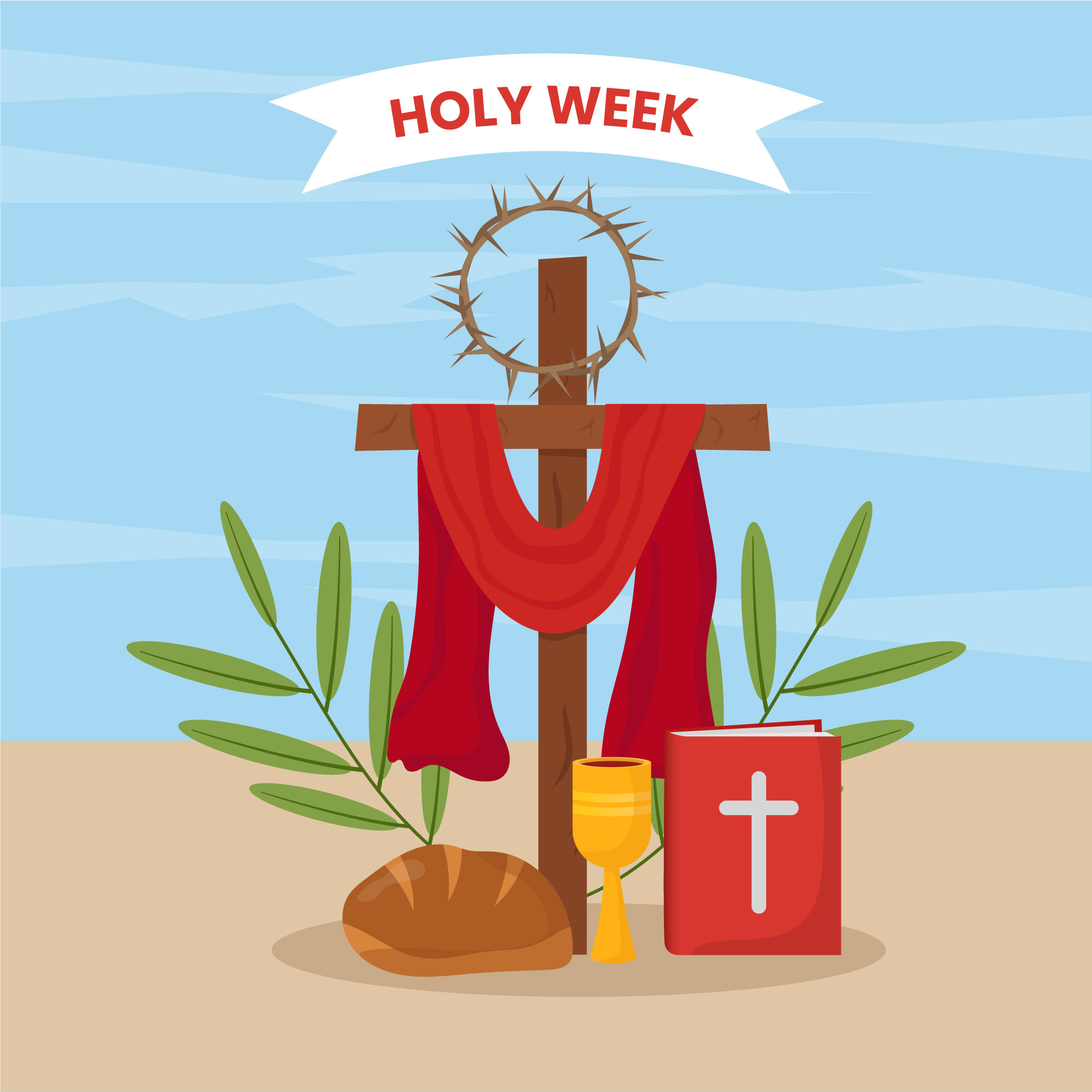
Good Friday And Easter Explained: The Meaning Behind Christianity’s Holiest Days
Good Friday and Easter are among the most significant observances in Christianity, marking the foundation of the faith through themes of sacrifice, redemption, and hope.
Observed by millions worldwide, the two days commemorate the crucifixion and resurrection of Jesus Christ—events central to Christian belief and spiritual tradition.
Good Friday marks the day Christians believe Jesus Christ was crucified and died on the cross. Despite its somber nature, it is called “Good” because it represents the ultimate act of sacrifice and love. In Christian teaching, his death is seen not as an end, but as a turning point that brings forgiveness, salvation, and the promise of new life.
Church services on Good Friday are typically quiet and reflective, focusing on prayer, fasting, and remembrance of the suffering endured.
Easter Sunday, observed three days later, celebrates the resurrection of Jesus Christ. It is considered the most joyful day in the Christian calendar, symbolising victory over death and the promise of renewal. The resurrection represents hope, new beginnings, and spiritual rebirth for believers.
Celebrations around the world often include church gatherings, festive meals, and cultural traditions such as Easter eggs, which symbolise new life and renewal.
In 2026, Good Friday falls on April 3 for Catholics and Protestants, while Orthodox Christians observe it on April 10, reflecting differences in calendar systems used by various Christian traditions.
Together, Good Friday and Easter tell a powerful story—from sacrifice to hope—that continues to resonate across generations, reminding believers of faith, resilience, and the promise of renewal.








Add Your Directory With Us
Boost your visibility with our Business Directory

Add Your BCard With Us
Open the door to new professional connections.
DayOfDubai
Business Services
