

From sugar tax to flying taxis: key changes UAE residents can expect in 2026

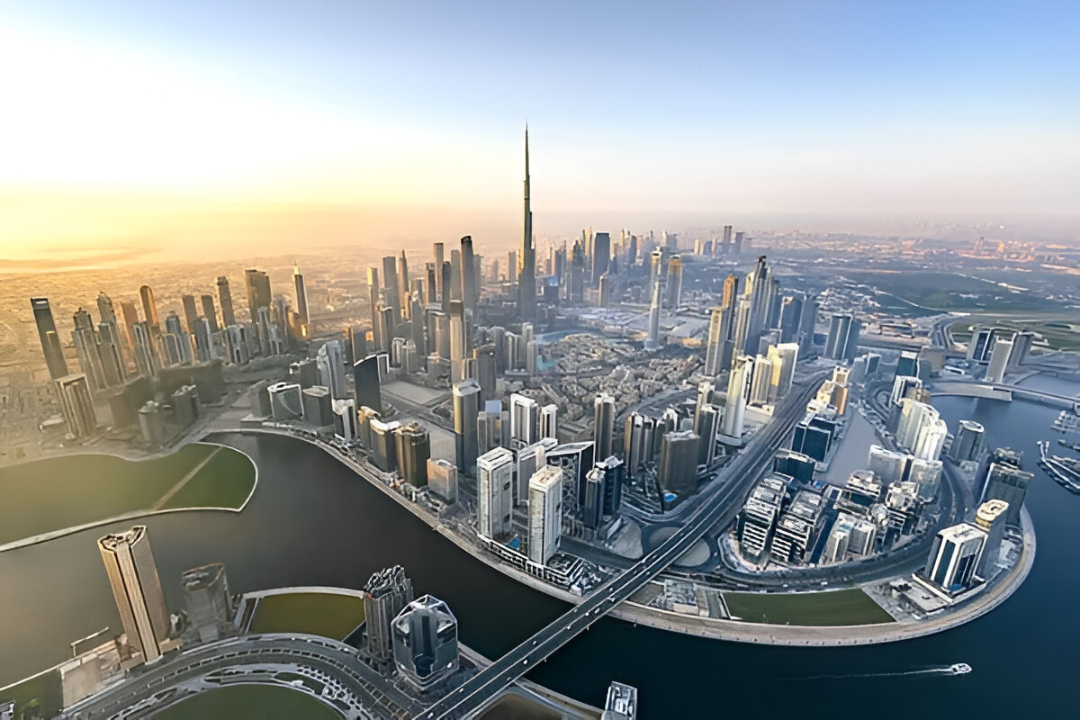
The UAE is set to roll out a wide range of reforms, infrastructure projects and technology-driven initiatives in 2026, aimed at improving quality of life, streamlining government services and modernising transport across the country.
With the federal government approving its largest-ever budget, authorities have outlined a series of policy updates and major launches that will affect daily life for residents, from taxation changes to next-generation transport systems.
One of the most significant shifts will be the introduction of a sugar-content-based excise tax on sweetened beverages from 1 January 2026, replacing the current category-based system. The move, led by the Ministry of Finance and the Federal Tax Authority, is designed to support national public health goals.
The country will also implement a comprehensive ban on the import, production and trade of single-use plastic products from the same date. This follows earlier restrictions introduced in 2024 and will now extend to items such as plastic cutlery, cups, lids, plates and food containers.
Taxation reforms are expected to simplify VAT and excise procedures. Under the revised VAT framework, businesses will no longer be required to issue self-invoices when applying the reverse charge mechanism, and a five-year limit will be introduced for reclaiming refundable tax amounts. Expanded audit powers for the Federal Tax Authority are also intended to reduce disputes and improve transparency.
Mandatory e-invoicing will be introduced in phases from mid-2026, requiring businesses to exchange invoices in a standardised electronic format, replacing traditional PDF and paper-based systems.
In the education sector, Indian curriculum schools in the UAE will move to the Ministry of Education’s unified academic calendar from April 2026, ending the long-standing April–March academic cycle.
Major transport developments are also planned. Passenger services on the Etihad Rail network are expected to begin in 2026, connecting 11 cities and regions and potentially reshaping commuting and real estate patterns.
Urban air mobility will also take a step forward with the launch of flying taxi services. More than 100 heliports are being converted into vertiports to support electric vertical take-off and landing aircraft, with manufacturers such as Joby and Archer conducting test flights in the country.
Dubai is also preparing to introduce robotaxis on Sheikh Zayed Road, with trial runs already underway and vehicles reaching speeds of up to 72km/h.
Another innovation on the horizon is the 17-kilometre underground Dubai Loop, a high-speed transit system expected to become operational in 2026, designed to offer fast and weather-resilient travel across key parts of the city.
The annual Gitex technology exhibition will move to Expo City Dubai in 2026, significantly expanding its footprint and integrating more of the city into the global tech showcase experience.
Finally, the Dubai World Trade Centre roundabout is being transformed into a surface-level intersection supported by five new bridges. The first of these new bridges is scheduled to open in March 2026, with further openings planned for later in the year, aiming to significantly reduce traffic congestion.