
Four Sharjah Sites Added to ISESCO Islamic World Heritage List
Four archaeological and historic locations in Sharjah have been inscribed on the Islamic World Heritage List by the Islamic World Educational Scientific and Cultural Organization, increasing the emirate’s total number of registered sites to 10.
The announcement was made by the Sharjah Archaeology Authority (SAA), which confirmed that the nominations were prepared in cooperation with the Authority for Initiatives Implementation and Infrastructure Development. Officials said the recognition supports Sharjah’s long-term strategy to preserve, document, and promote cultural heritage at regional and international levels.
The newly listed sites span prehistoric, Bronze Age, and Islamic-era heritage and highlight the emirate’s archaeological and defensive history.
Key newly inscribed sites
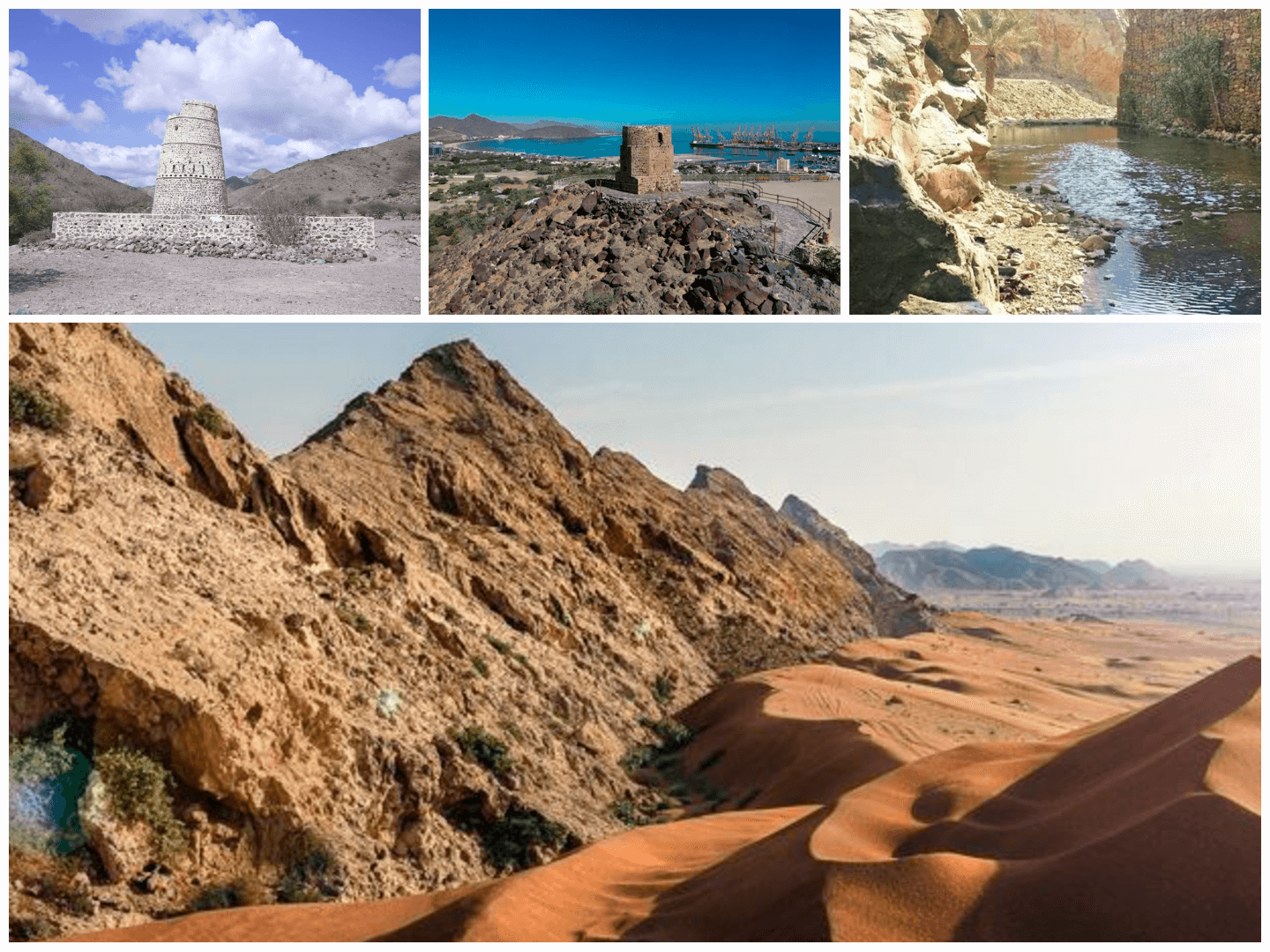
Wadi Al-Helou was recognized as one of southeastern Arabia’s most important Bronze Age copper mining and smelting centres. Located in the Hajar Mountains, the site contains mining remains, furnaces, and smelting evidence showing large-scale metallurgical activity and long-term settlement.
The Prehistoric Cultural Landscape of Al-Faya was listed for its global scientific importance in documenting early human settlement in desert environments. Archaeological layers at the site date from about 210,000 to 6,000 years ago and contribute to research on early human migration and climate adaptation.
The historic Al-Nahwa area was inscribed for preserving traditional mountain life and architecture. The enclave includes stone houses, a historic mosque, an Islamic cemetery, watchtowers, rock carvings, and historic mountain routes reflecting long-term human-environment interaction.
The towers and forts of Khorfakkan were added as an integrated defensive system that protected the coastal city and its natural harbour. The listing covers Khorfakkan Fort, the Portuguese Fort, and Al Rabi and Al Adwani towers, which monitored maritime and land trade routes and illustrate the evolution of regional defensive architecture.
SAA Director-General Issa Yousef said the inscriptions reflect Sharjah’s strategic vision to safeguard archaeological heritage and present it as a shared historical value. He credited the cultural preservation drive led by Sultan bin Mohammed Al Qasimi, Ruler of Sharjah, and said the recognition follows sustained scientific research, documentation, and conservation work aligned with international standards.
Authorities added that the new listings are expected to support further research, increase public awareness, and strengthen sustainable cultural tourism across the emirate.







Add Your Directory With Us
Boost your visibility with our Business Directory

Add Your BCard With Us
Open the door to new professional connections.
DayOfDubai
Business Services
