
How to Choose Furniture for a New Home Room by Room
Moving into a fresh space is one of life's most exciting milestones, but standing in the middle of empty rooms can feel a bit overwhelming. You are looking at a blank canvas, trying to figure out how to transform empty square footage into a comfortable, functional, and beautiful sanctuary. Learning how to choose furniture is not just about picking out items that look good in a showroom; it is about intentional curation.
When you are faced with the task of filling an entire property, the secret is to take a deep breath and break the process down step by step. This comprehensive guide will walk you through exactly how to choose furniture for a new home, ensuring that you make smart investments, avoid common layout mistakes, and design a space that feels uniquely yours.
How to Choose Furniture: Start with Your House Style
Before you open a single interior catalog or browse online galleries, you need to establish a clear design direction. Every building has an inherent architectural voice, and tuning into your specific house style will save you hours of second-guessing. Whether you live in a sleek modern high-rise, a charming historic cottage, or a sprawling suburban property, your structural surroundings should heavily influence your interior decisions.
Understanding how to match your personal aesthetic to the bones of your property is the first major step in choosing furniture. For instance, if you are decorating a beachside villa, bulky and dark Gothic items will feel completely out of place. Instead, you want to lean into light, airy elements that complement the architecture.
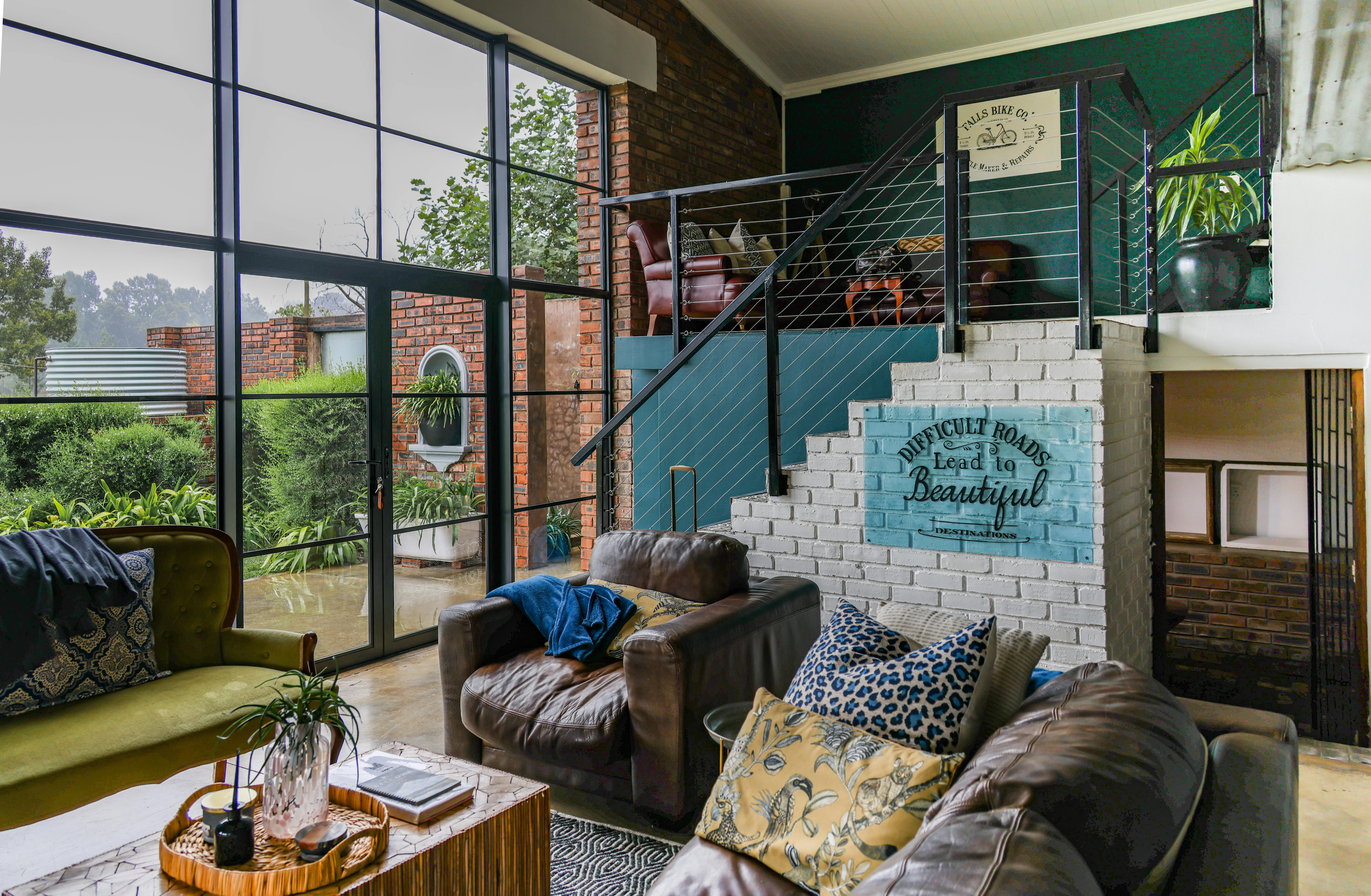
- Identify Architectural Elements: Look closely at your home's permanent fixtures, such as window shapes, flooring materials, and molding details. A home with high ceilings and exposed brick walls naturally calls for industrial or mid-century modern pieces, while a space with clean lines and large windows welcomes minimalist designs.
- Establish a Unified Color Palette: Pick a base of 2 or 3 core colors that flow throughout your entire property. You do not need every room to look identical, but maintaining a consistent color palette ensures your interior feels cohesive rather than chaotic.
- Determine Your Ultimate Design Goal: Decide early on whether you want your space to feel formal and elegant, casual and beachy, or ultra-modern and clean. Having a clear vision makes it much easier to filter out items that do not fit your grand design plan.
By taking the time to understand your underlying house style, you create a visual anchor for your entire project, making future shopping trips significantly easier and more successful.
Understanding Furniture Types for Every Space
Once you have a firm grasp of your design aesthetic, it is time to look at the different furniture types available on the market. Pieces generally fall into three major categories: case goods (solid wood or metal storage items), upholstered goods (anything with fabric, foam, or padding), and accent pieces (smaller, decorative items that tie a room together).
A balanced room requires a thoughtful mix of these various furniture types to feel complete. If you populate a space with nothing but heavy wood storage units, it will feel dark and restrictive. Conversely, a room with too many plush, upholstered items can look messy and lack structural definitions.
- Prioritize Upholstered Comfort: Focus heavily on items that directly touch your body, such as sofas, armchairs, and mattresses. Because you interact with these pieces daily, prioritize high-quality fabrics, sturdy internal frames, and premium cushioning over budget alternatives.
- Invest in Quality Case Goods: Look for solid construction when buying wooden tables, dressers, and bookshelves. High-quality wooden or metal storage units act as the structural anchors of your rooms and are the items most likely to last for decades.
- Layer with Lightweight Accent Items: Use smaller, mobile pieces such as end tables, footstools, and poufs to fill gaps. These items are excellent for adding pops of texture or color, and they can easily be moved around when you want to refresh your layout.
When you are learning how to choose furniture for a new home, recognizing how these different categories interact helps you build a rich, layered environment that balances comfort with structural beauty.
What Furniture Goes in a Living Room? A Complete Checklist
The living room is undeniably the central hub of daily life. It is where you host friends for lively gatherings, wind down for movie nights, and enjoy quiet Sunday mornings. Because this space handles so many different activities, figuring out what furniture goes in a living room requires careful spatial planning and a clear checklist.
If you are currently setting up a home in the UAE, you might start your search by visiting a premium furniture store Dubai to find the perfect statement sofa or a luxurious coffee table that anchors your entire seating arrangement. No matter where you shop, you want to ensure you cover all the functional basements without overcrowding the floor plan.
- The Primary Seating Anchor: This is typically a large sofa, a spacious sectional, or a pair of matching loveseats. Your primary seating should face the room's main focal point - whether that is a beautiful fireplace, a large entertainment center, or a stunning window view.
- Supporting Accent Seating: Incorporate a couple of armchairs, side chairs, or a versatile chaise lounge to create a conversational circle. Flexible seating options ensure your guests can chat comfortably without straining their necks.
- Central and Side Surfaces: A sturdy coffee table serves as the central anchor for drinks, books, and decorative trays. Complement this with a few well-placed side tables next to armchairs to ensure everyone has a convenient place to set down a cup of coffee.
Answering the question of what furniture goes in a living room successfully means balancing these core pieces to create a welcoming, circular layout that encourages connection and effortless relaxation.
Themes for Apartments: Making Small Spaces Work
Not everyone is moving into a massive multi-story house. If you are moving into a compact urban apartment or a cozy studio, your approach to scale and layout needs to shift dramatically. Fortunately, exploring creative apartment themes can help you maximize every square inch of your floor plan without sacrificing style.
When dealing with a smaller footprint, the golden rule for choosing furniture is to look for pieces that offer dual functionality. Every item you bring across the threshold needs to earn its keep by serving more than one purpose, helping you keep clutter completely at bay.
- Embrace the Scandinavian Minimalist Theme: This design approach emphasizes light woods, neutral color palettes, and elevated legs that showcase more floor space. Keeping items raised off the ground tricks the eye into thinking the room is much larger and airier than it actually is.
- Utilize Smart Modular Systems: Opt for sectional sofas that can be rearranged or expanded depending on your needs. Modular pieces allow your layout to evolve, making them highly adaptable if you move to a different apartment in the future.
- Integrate Hidden Storage Solutions: Look for bed frames with built-in hydraulic storage drawers, storage ottomans that double as coffee tables, and drop-leaf dining tables that can fold flat against the wall when not in use.
Choosing the right themes for apartments lets you live large in a compact footprint, proving you do not need a massive mansion to create a luxurious, organized home environment.
Matching Furniture Types to Your Daily Habits
The ultimate test of a beautifully furnished home is not how it looks on social media, but how seamlessly it supports your actual lifestyle. A pristine white velvet sofa might look stunning in a magazine, but if you have two energetic dogs and three young children, it will quickly become a major source of daily stress.
When choosing furniture for a new home, honestly evaluate your household habits. Design your rooms around the life you actually live every single day, rather than an idealized, picture-perfect version of how you think you should live.
- Assess Your Entertainment Habits: If you regularly host large dinner parties, prioritize an expandable dining table and plenty of comfortable, stackable dining chairs. If your weekends are spent binge-watching shows, invest heavily in the most comfortable, deep-seated lounge sofa you can find.
- Account for Pets and Children: Select durable performance fabrics like slipcovered cottons, distressed leathers, or performance synthetics that resist stains and scratches. Avoid sharp glass coffee tables and opt for soft, rounded fabric ottomans instead to keep toddlers safe.
- Accommodate Remote Work Routines: If you work from home even a few days a week, do not try to work from the kitchen island long-term. Dedicate a quiet corner to a proper ergonomic desk chair and a solid work surface that supports your posture and productivity.
Taking the time to match specific furniture types to your unique daily patterns ensures that your home remains highly functional. By blending your understanding of house style with a realistic look at your lifestyle, you can confidently navigate any showroom or online store, transforming your new property into the ultimate dream home.









Add Your Directory With Us
Boost your visibility with our Business Directory

Add Your BCard With Us
Open the door to new professional connections.
DayOfDubai
Business Services
