

Strong tenant retention and high occupancy support UAE industrial real estate growth: JLL

Strong occupier demand, high tenant retention and strategic government investment are reinforcing the long-term outlook for the UAE's industrial real estate sector, according to JLL's latest Industrial Market Dynamics report.
The report found that while rental growth has moderated from previous highs, both Dubai and Abu Dhabi maintained healthy leasing activity during the second quarter of 2026, supported by robust market fundamentals and sustained investor confidence.
JLL said government initiatives focused on strengthening supply chain resilience and expanding domestic manufacturing are further enhancing the UAE's position as a leading regional logistics and industrial hub, despite ongoing geopolitical uncertainty and global supply chain challenges.
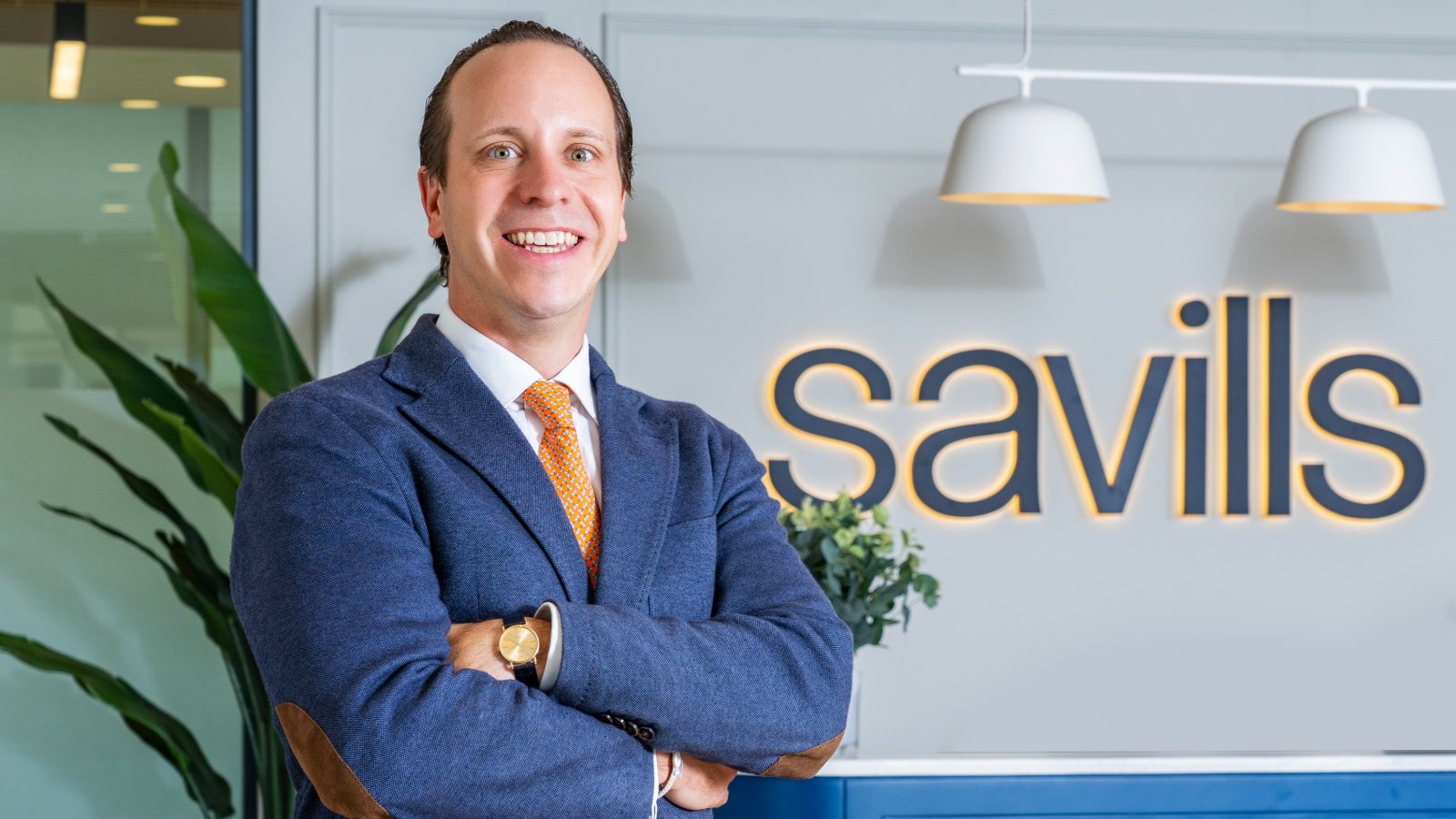
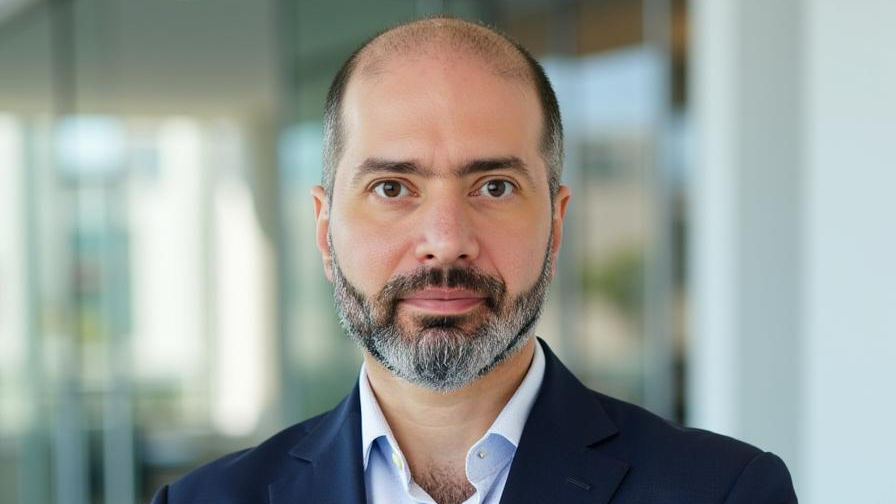
Mouhammad Takieddin, Chief Executive Officer for the Middle East and Africa at JLL, said the market is entering a phase of more sustainable expansion.
"The continued optimism in the UAE's industrial sector reflects a market transitioning to mature, sustainable growth. With near-full occupancy in core industrial zones, the anticipated delivery of much-needed Grade A supply, and a strategic national push toward domestic manufacturing, the sector is well positioned to capitalise on these critical investments and solidify the UAE's status as a premier, future-ready global logistics hub."
Industrial rents continue to rise
Industrial rental rates remained on an upward trajectory across both emirates during the second quarter.
In Dubai, average industrial rents increased 6.8 per cent year-on-year to AED 49 per square foot, while recording 2.3 per cent quarter-on-quarter growth.
In Abu Dhabi, industrial rents rose 5 per cent annually to AED 486 per square metre.
JLL noted that Abu Dhabi's rental freeze initiative has moderated rental increases. However, limited availability of Grade A industrial facilities and consistently high occupancy levels continue to strengthen landlords' negotiating position. Landlords are increasingly offering flexible lease terms and rental concessions of up to 15 per cent in selected locations to support leasing activity.
Tenant retention remains strong
The report highlighted strong tenant loyalty across Dubai's industrial market.
Annual rental contract registrations increased 4.3 per cent during the second quarter, driven by an 11.2 per cent year-on-year increase in lease renewals, indicating that existing occupiers continue to commit to long-term operations.
Although lease renewals declined 10.2 per cent quarter-on-quarter, while new rental registrations eased 3 per cent over the same period, JLL said the slowdown reflects cautious capacity planning rather than weakening market confidence.
Government investment to support future growth
JLL expects government-backed initiatives aimed at strengthening national supply chains and expanding local manufacturing to accelerate the sector's long-term development.
Among the key projects supporting industrial growth are DP World's new east coast port and container terminal, alongside the AED 1 billion National Industrial Resilience Fund, which aims to localise production of more than 5,000 critical products across priority industries.
The report added that policies promoting Made-in-UAE products across retail and digital platforms are expected to stimulate manufacturing activity, strengthen logistics infrastructure and support sustained growth in the UAE's industrial property market over the coming years.