
Dubai’s property market enters a more mature growth phase driven by sound demand
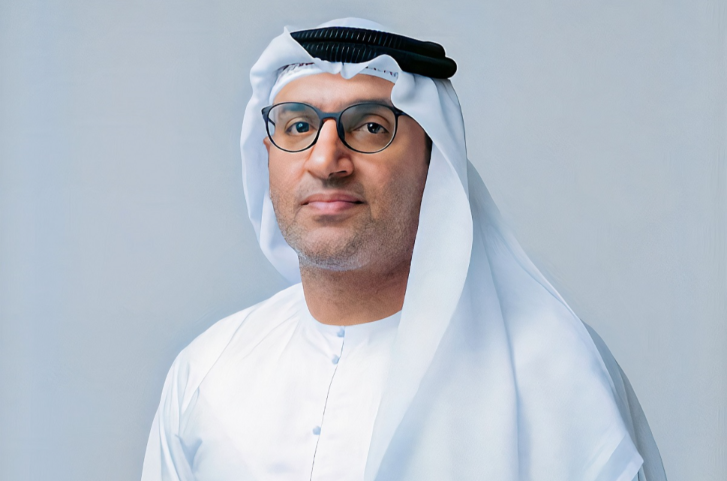
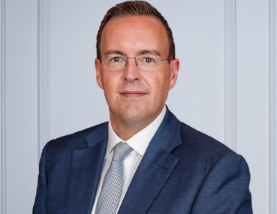
Dubai’s real estate market is entering a more mature phase of growth, underpinned by strong structural fundamentals rather than speculative momentum, according to an analysis by Badar Rashid AlBlooshi, Chairman of Arabian Gulf Properties.
Market indicators for 2025 suggest that Dubai’s property sector is evolving into a stabilised growth cycle shaped by real end-user demand, a diversified investor base, and the positioning of real estate as a core asset class within global investment portfolios.
Villa prices have recorded a significant rise, increasing by 206 per cent compared to post-pandemic levels and exceeding the 2014 market peak by 86 per cent. This performance reflects a shift in buyer behaviour, with investors placing greater emphasis on asset quality, location, and long-term value preservation. These factors increasingly distinguish Dubai’s property market from many international counterparts.
Apartment prices have also surpassed their 2014 peak for the first time, albeit at a more measured pace compared to villas. Annual growth of 14.8 per cent, combined with consistent monthly increases, points to a balanced market supported by population growth, economic expansion, and improved supply-demand dynamics.
Data from ValuStrat indicates that prime areas such as Palm Jumeirah and Burj Khalifa continue to lead price performance, recording some of the highest benchmark prices per square foot. This trend reinforces Dubai’s position as a global luxury real estate destination. At the same time, mid-market communities are gaining traction, driven by competitive pricing, integrated infrastructure, and growing appeal among a broader investor base.
Another defining feature of the current market cycle is the volume of high-value transactions. Multiple deals exceeding AED 30 million and AED 50 million have been recorded across various locations, signalling that demand for luxury properties is no longer confined to a limited number of neighbourhoods. This trend reflects growing confidence in Dubai’s regulatory framework and the sector’s ability to deliver long-term value.
Industry observers note that the market’s increasing maturity places greater responsibility on developers to view real estate as part of a wider urban and economic ecosystem. Emphasis is shifting toward quality, sustainability, and user experience as essential components of successful development strategies.
As Dubai strengthens its position as a global hub for business, investment, and lifestyle, the real estate sector appears to have entered a new phase defined less by rapid price acceleration and more by sustainable, long-term growth—positioning the emirate as a reference market within the global property landscape.


Add Your Directory With Us
Boost your visibility with our Business Directory

Add Your BCard With Us
Open the door to new professional connections.
DayOfDubai
Business Services

Comments (0)
Please log in to post a comment
Login to CommentNo comments yet. Be the first to share your thoughts!