
The Rise of Prompt-to-Game Platforms in 2026
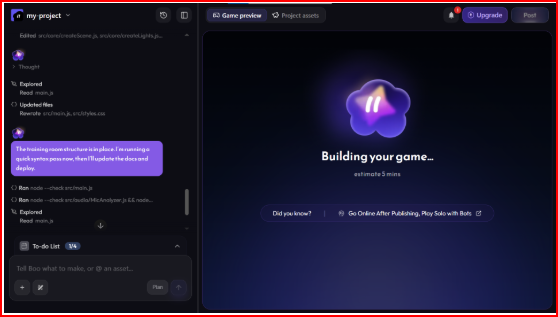
Making a game was quite a process a few years back, it meant that you had to commit to learning an engine or paying someone who had. This is no longer the case by 2026. The "Prompt-to-game" platforms, which take a language-based explanation and produce a working, playable game, have gone from the realm of novelty to a truly mainstream method for creating interactive content and their progress has caught even some of the most attentive eyes in the arena. The key to this development is a simple concept; an ai game builder where your description is the most important input, not special software, unlocks game creation to anyone who wouldn't have been in the business to begin with. That expansion of who gets to build is the real story behind the growth of this category. Why This Happened Now, Not Earlier Relatively recently, a combination of technology that pulls up games on the spot, coupled with large language models that can understand creative intent, and generative technology for visual assets was reliable enough for this use case. Existing “no-code” game tools were based on a template and pre-loaded asset bases, limiting the degree of individualization and originality that could be achieved in practice. The difference is that the system is responding to your input prompt, it isn't just adding your words to a form that someone else has already created. Our text to game generation resource discusses the change in approach, and what is actually now possible with this change over from the template-based approach. Who's Actually Using These Platforms It's not a crowd of aspiring game developers, but a crowd of marketers, educators, content creators and hobbyists with an idea and no desire to learn for several months. This is a very different user base to that of traditional game engines that have never been targeted and it's the reason why prompt-to-game platforms are becoming more robust through channels, social media, education, small business marketing, etc. A related progression that's worth observing is that of what many are calling vibe coding game creation, which is creating a game with a feeling or aesthetic approach rather than a strict technical spec, which is where vibe coding game creation is more akin to how a game exists on a prompt-driven platform. What's Changed Compared to Early No-Code Tools Early game maker software allowed you to not need to write code but it didn't eliminate the design responsibilities either, you still needed to understand mechanics, pacing and structure to use the software to its best advantage. We have full game design documents created from your description for you before any assets are built, which is more of that layer that prompt-to-game platforms take care of. This means the design thinking process you previously had to be trained in is now built into the interpretation of your prompt and you review and refine instead of building from a blank canvas. Where This Is Likely Headed Next These platforms are growing in importance, and over time, the difference between a first draft and a finished piece will continue to become smaller, and more intensive support for more visually ambitious builds will be provided. This path has always been one of the frictionless approach, from concept to design to assets to publishing, and for the foreseeable future there's no reason that will come to a halt. That's the path that a 3d game maker online has taken from the template-heavy, flat tools of a few years back. The Skepticism That's Faded There was an understandable concern about prompt-to-game platforms that this would be "the same game over and over again" versus feeling like a purposeful game. When the underlaying generation was more variable, and templates performed a lot of the work, that was a valid concern. The gap has also been significantly reduced, and as generation quality has improved and the platforms have become more focused on understanding the exact nature of a prompt and generating something that fits that prompt, the "generic AI output" criticism is not as strong as it was a couple of years ago when the platform was more focused on following a template in a set shape. It's that loss of this gap which is fueling uptake from the initial cohort of technically interested users to a much wider mainstream user base of creators. It is also important to recognize that this isn't an either-or scenario; that these engines have different needs and that the most robust reading of 2026's landscape is one that embraces the functionality of both the platform and the full engine, for the projects they are best suited for. What This Means If You Haven't Tried One Yet If you still think of making a game in terms of engines, coding and months of development time, then its time to change that mental model. The current generation of prompt-to-game platforms genuinely does compress that timeline to hours for a meaningful range of projects, and the gap between having an idea and having something playable has never been smaller. If you ever believed it was impossible to make a game due to budget constraints, 2026 is a good time to take a second look at that decision.
Event Information
 Event Venue:
 Date:
Date:
 Phone:
 Website:
 Address:
 Ticket Rate:







Add Your Directory With Us
Boost your visibility with our Business Directory

Add Your BCard With Us
Open the door to new professional connections.
DayOfDubai
Business Services
