
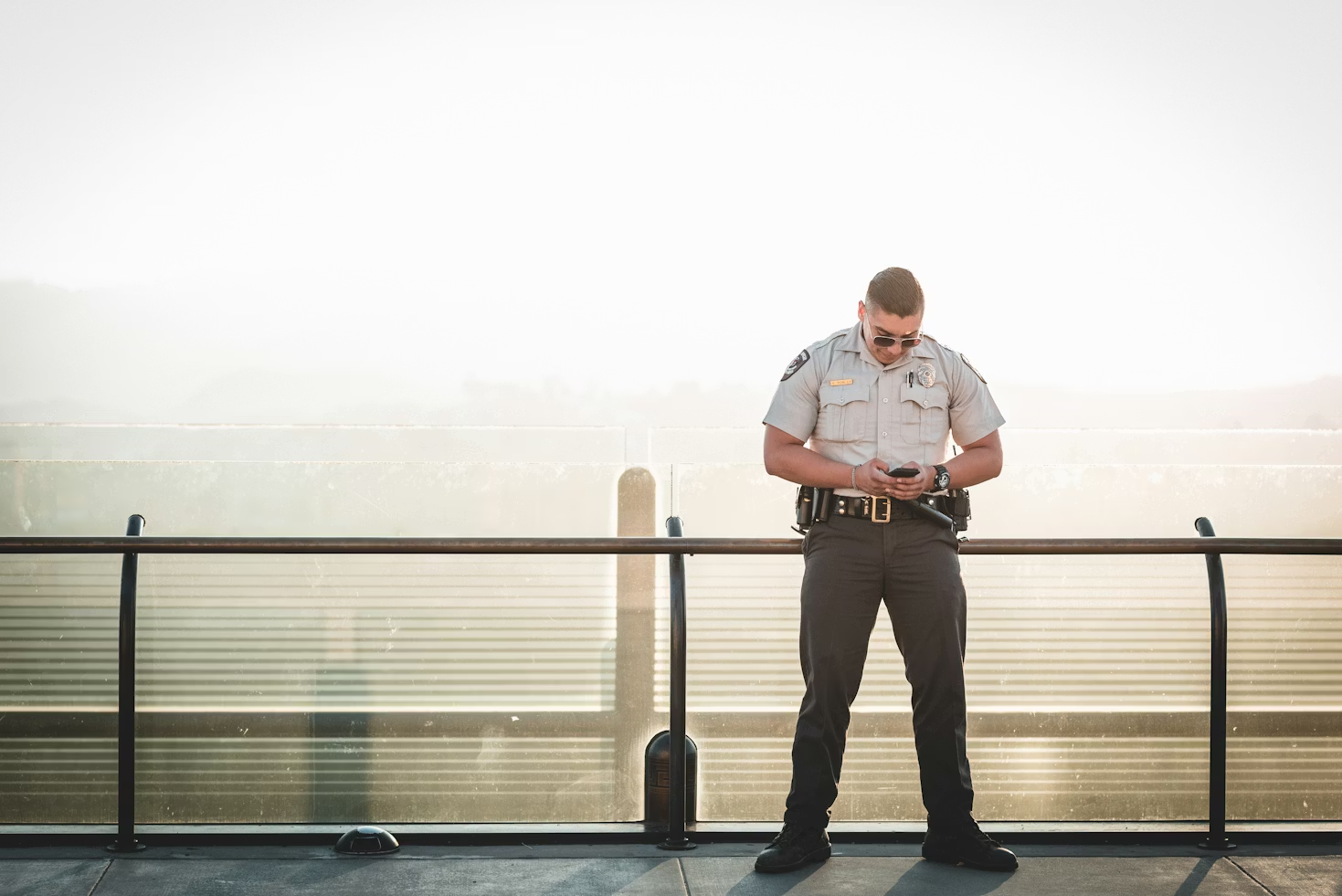
Security Guard Requirements and Regulations in the UAE Explained
The private security industry in the United Arab Emirates is one of the most tightly regulated in the Gulf region. Unlike some markets where security personnel can be deployed with minimal vetting or documentation, the UAE operates a structured licensing and compliance framework that governs every aspect of how security companies recruit, train, deploy, and supervise their staff. For businesses and property managers looking to engage a private security company operating in the UAE, understanding this regulatory framework is not bureaucratic background knowledge — it is directly relevant to assessing whether a provider is legally compliant and operationally credible. This article explains the current requirements for security guards and security companies in the UAE, including licensing, training standards, permitted roles, and the consequences of non-compliance.
The Regulatory Authority: SIRA
In Dubai, the primary regulatory body overseeing private security is the Security Industry Regulatory Agency (SIRA), established under the Dubai Police and operating under the authority of the Dubai Government. SIRA was created specifically to bring structure to a private security market that had grown rapidly but unevenly. At the federal level, the Ministry of Interior (MOI) provides overarching guidance applicable across all seven emirates. However, Dubai's SIRA framework is the most developed and detailed, and it serves as the de facto benchmark for the industry across the UAE. Key functions of SIRA include:- Licensing private security companies operating in Dubai
- Certifying individual security guards through examination and vetting
- Setting minimum training hour requirements for different guard categories
- Investigating complaints and enforcing compliance
- Maintaining a public register of licensed security professionals
Security Company Licensing Requirements
To legally operate as a private security company in Dubai, a business must obtain a SIRA licence. This is separate from a standard trade licence and requires demonstrating compliance across several dimensions.| Requirement | Detail |
| Legal entity registration | Must be a UAE-registered company with valid trade licence |
| SIRA company licence | Issued by SIRA after audit of operations, staff, and systems |
| Minimum capital threshold | As defined by SIRA regulation (subject to periodic revision) |
| Designated compliance officer | A named individual responsible for regulatory adherence |
| Insurance coverage | Public liability and employer liability insurance mandatory |
| Training facility or agreement | Company must demonstrate access to certified training |
| CCTV and control room standards | For companies offering monitoring services, facility requirements apply |
Individual Guard Certification: What the UAE Requires
Every security guard deployed in Dubai must hold a valid SIRA security guard card. This is an individual certification — not a company-level approval — and it follows the guard regardless of which employer they work for. The certification process involves several stages:- Eligibility ScreeningApplicants must meet minimum age requirements (typically 21 years), pass a criminal background check, and hold a valid UAE residence visa. Certain nationalities may face additional documentation requirements.
- Medical FitnessA medical examination is required to confirm the applicant is physically and mentally fit for security duties. This includes vision, hearing, and general health assessments.
- Training Programme CompletionGuards must complete a SIRA-approved training course. The minimum hours vary by category:
| Guard Category | Minimum Training Hours | Key Content Areas |
| Basic Security Guard | 60–80 hours | Law and ethics, first aid, access control, report writing |
| Senior Security Guard | Additional modules required | Supervision, incident management, communication |
| Close Protection Officer | Specialist course (additional certification) | Threat assessment, defensive driving, VIP protocols |
| Armed Security Guard | Weapons handling certification + licensing | Firearm safety, use-of-force law, tactical procedures |
| CCTV Operator | Separate technical certification | Surveillance systems, data handling, evidence management |
- SIRA ExaminationFollowing training, candidates sit a SIRA-administered examination. Passing is mandatory for card issuance.
- Guard Card IssuanceUpon passing, the guard receives a SIRA guard card with a unique identification number, expiry date, and authorised role category. Guards must carry this card at all times during deployment.
Permitted and Restricted Activities
UAE regulations draw clear distinctions between what licensed security guards are and are not authorised to do. These boundaries are legally defined and carry enforcement consequences.| Permitted Activity | Restricted Activity |
| Physical access control at entry points | Carrying firearms without an armed guard licence |
| Monitoring CCTV systems (with CCTV certification) | Detaining individuals beyond reasonable citizen detention |
| Patrolling assigned perimeters | Conducting searches without proper authorisation protocols |
| Responding to alarms and notifying authorities | Impersonating law enforcement officers |
| Crowd management at licensed events | Using force beyond what is defined as proportionate |
| Logging and reporting incidents | Operating without a valid SIRA guard card |
Compliance Obligations for Businesses Engaging Security Firms
Many businesses in Dubai are unaware that they carry a degree of regulatory responsibility when contracting external security providers. Engaging a non-SIRA-licensed company does not insulate a client from liability — particularly if an incident occurs involving an uncertified guard. Best practice for procurement teams and facilities managers includes: Verifying the company's SIRA licence — SIRA maintains a searchable register. Licence number and expiry date should be confirmed before signing any contract. Checking guard card validity — Contracts should include a clause requiring the provider to supply guard card numbers for all deployed personnel. Spot-check compliance is advisable for long-term deployments. Reviewing insurance documentation — Employer and public liability insurance certificates should be reviewed annually, not just at contract inception. Auditing training records — Particularly for specialist roles (armed, close protection, CCTV), clients should request evidence of role-specific certification rather than accepting generic compliance statements.| Compliance Check | Frequency Recommended | Risk if Skipped |
| SIRA company licence verification | At contract start + annual renewal | Legal liability for non-compliant operations |
| Guard card spot-checks | Quarterly | Deployment of uncertified personnel |
| Insurance certificate review | Annual | Uninsured incident liability |
| Incident report audits | Monthly | Unreported incidents, regulatory gaps |
| Training record review | At onboarding + annually | Unqualified personnel in specialist roles |
Consequences of Non-Compliance
SIRA takes violations seriously, and enforcement actions range from financial penalties to criminal referrals depending on the severity of the breach. For security companies, operating without a valid licence or deploying uncertified guards can result in licence suspension, fines, and in repeat cases, licence revocation. For individual guards, operating without a valid card can result in deportation proceedings. For client businesses found to have knowingly engaged non-compliant providers, regulatory authorities have the power to issue fines and — in cases involving incidents that caused harm — to refer matters to the public prosecutor.Staying Current: Regulatory Updates
The UAE security regulatory framework is not static. SIRA periodically revises training hour requirements, introduces new guard categories (drone surveillance operators are a recent addition), and updates equipment standards. Companies and clients alike are responsible for monitoring these updates. Subscribing to SIRA's official communications channel and reviewing licence conditions at each renewal cycle is the minimum standard for maintaining compliance. For companies operating across multiple emirates, cross-referencing with each emirate's relevant authority (Abu Dhabi has its own licensing structure under the Abu Dhabi Police) is also necessary.Conclusion
The UAE's private security regulatory framework is detailed, actively enforced, and directly relevant to anyone procuring or deploying security personnel in Dubai. Understanding SIRA's role, the individual guard certification process, the boundaries of permitted security activity, and the client-side compliance obligations provides a foundation for making informed decisions — and for avoiding the legal and operational risks that come with engaging non-compliant providers. In a market where the range of quality varies significantly, regulatory compliance is one of the clearest objective indicators of a provider's operational standard.Event Information
 Event Venue:
 Date:
Date:
 Phone:
 Website:
 Address:
 Ticket Rate:







Add Your Directory With Us
Boost your visibility with our Business Directory

Add Your BCard With Us
Open the door to new professional connections.
DayOfDubai
Business Services
