
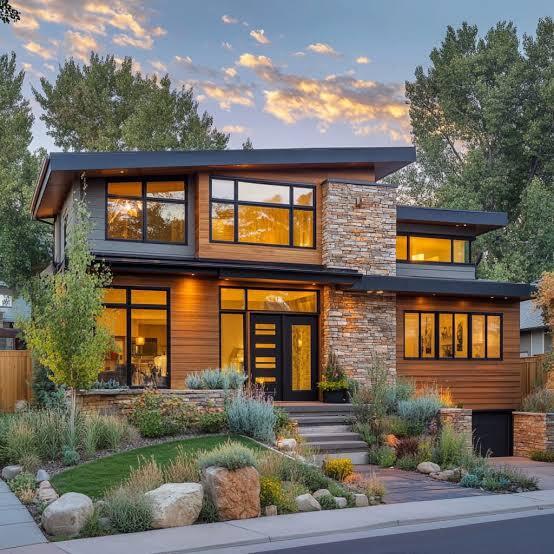
Modern Exterior Building Systems Enhancing Durability Efficiency and Design
In modern construction, the exterior of a building is far more than just its “outer shell.” It serves as the first line of defense against weather, plays a major role in energy efficiency, and heavily influences a structure’s visual identity. As architecture evolves toward more sustainable and high-performance designs, exterior building systems have become a central focus for both residential and commercial projects.
Understanding how these systems work—and why they matter—can help property owners, developers, and facility managers make smarter long-term decisions. From material selection to installation quality, every detail contributes to a building’s durability, comfort, and overall value.
The Role of Exterior Building Systems in Modern Construction
Exterior systems, often referred to as the building envelope, are responsible for separating the interior environment from the outside world. This includes walls, cladding, insulation layers, waterproofing membranes, windows, and roofing components that work together as a unified system.
Rather than being treated as independent elements, modern construction integrates these components to improve performance. A well-designed exterior system helps regulate indoor temperature, reduces energy consumption, prevents moisture intrusion, and enhances structural longevity.
As cities grow and energy standards become stricter, the demand for high-performance exterior systems continues to rise. Builders are now expected to deliver not only aesthetic appeal but also long-term efficiency and resilience.
Key Components of High-Performance Exterior Systems
A strong exterior system is made up of several interconnected elements, each serving a specific function. When properly designed and installed, they work together seamlessly to protect and enhance the structure.
Some of the most important components include:
- Cladding systems: Provide weather resistance and define the building’s exterior appearance.
- Insulation layers: Help regulate indoor temperature and improve energy efficiency.
- Moisture barriers: Prevent water infiltration that can lead to structural damage or mold.
- Air barriers: Control airflow to reduce energy loss and improve indoor comfort.
- Window and glazing systems: Allow natural light while maintaining thermal performance.
- Sealants and flashing: Protect vulnerable joints and transitions from leaks.
When these components are integrated correctly, they create a continuous protective barrier that significantly extends the life of the building.
Why Proper Installation Matters
Even the highest-quality materials can fail if they are not installed correctly. Exterior systems rely heavily on precision, sequencing, and technical expertise. Small mistakes—such as improper sealing or misaligned panels—can lead to serious long-term issues like water intrusion, thermal bridging, and premature material degradation.
Proper installation ensures that:
- The building envelope remains airtight and watertight
- Energy performance targets are met or exceeded
- Materials perform according to manufacturer specifications
- Maintenance costs are minimized over time
- Structural integrity is preserved under harsh weather conditions
This is why experienced professionals are essential in exterior construction projects. Their understanding of system integration helps ensure that every layer functions as intended, rather than as isolated parts.
Choosing the Right Exterior Construction Partner
Selecting the right contractor or construction partner can make a significant difference in the success of any exterior project. Beyond basic construction skills, the ideal partner should have deep knowledge of building science, material compatibility, and modern installation techniques.
Working with a qualified team ensures that your project is completed with attention to detail and long-term performance in mind. For those looking to explore professional exterior systems expertise,Exterior Systems Construction offers a resource for understanding how integrated exterior solutions are approached in real-world applications.
When evaluating a construction partner, consider the following factors:
- Proven experience with similar building types and project scales
- Familiarity with modern energy efficiency and code compliance standards
- Strong portfolio demonstrating successful exterior system installations
- Ability to coordinate multiple trades and system components
- Commitment to quality control and on-site supervision
A reliable exterior construction partner does more than complete a project—they help ensure that the building performs efficiently for decades.
Maintenance and Long-Term Performance
Once an exterior system is installed, ongoing maintenance becomes essential to preserving its performance. While modern materials are designed for durability, environmental exposure can still lead to wear over time.
Regular maintenance activities may include inspecting sealants, checking for moisture intrusion, cleaning exterior surfaces, and evaluating joints or flashing for potential issues. Addressing small problems early can prevent costly structural repairs later.
Long-term performance also depends on how well the system was designed in the first place. Buildings with properly integrated exterior systems tend to experience fewer issues, lower energy costs, and improved occupant comfort throughout their lifecycle.
In addition, advancements in materials and construction techniques continue to improve durability and sustainability. From high-performance insulation to advanced moisture management systems, today’s exterior solutions are more capable than ever of meeting demanding environmental conditions.
Conclusion
Exterior building systems play a critical role in shaping the performance, efficiency, and longevity of modern structures. They are no longer just protective layers but integrated systems that influence everything from energy use to structural durability.
By understanding the key components, prioritizing proper installation, and selecting experienced professionals, property owners and developers can significantly improve the long-term value of their buildings. Whether for new construction or renovation projects, investing in a well-designed exterior system is one of the most effective ways to ensure lasting performance and resilience.
Event Information
 Event Venue:
 Date:
Date:
 Phone:
 Website:
 Address:
 Ticket Rate:

Add Your Directory With Us
Boost your visibility with our Business Directory

Add Your BCard With Us
Open the door to new professional connections.
DayOfDubai
Business Services
