

Ras Al Khaimah to Offer Faster Travel Than Cars Through New Marine Transport Project

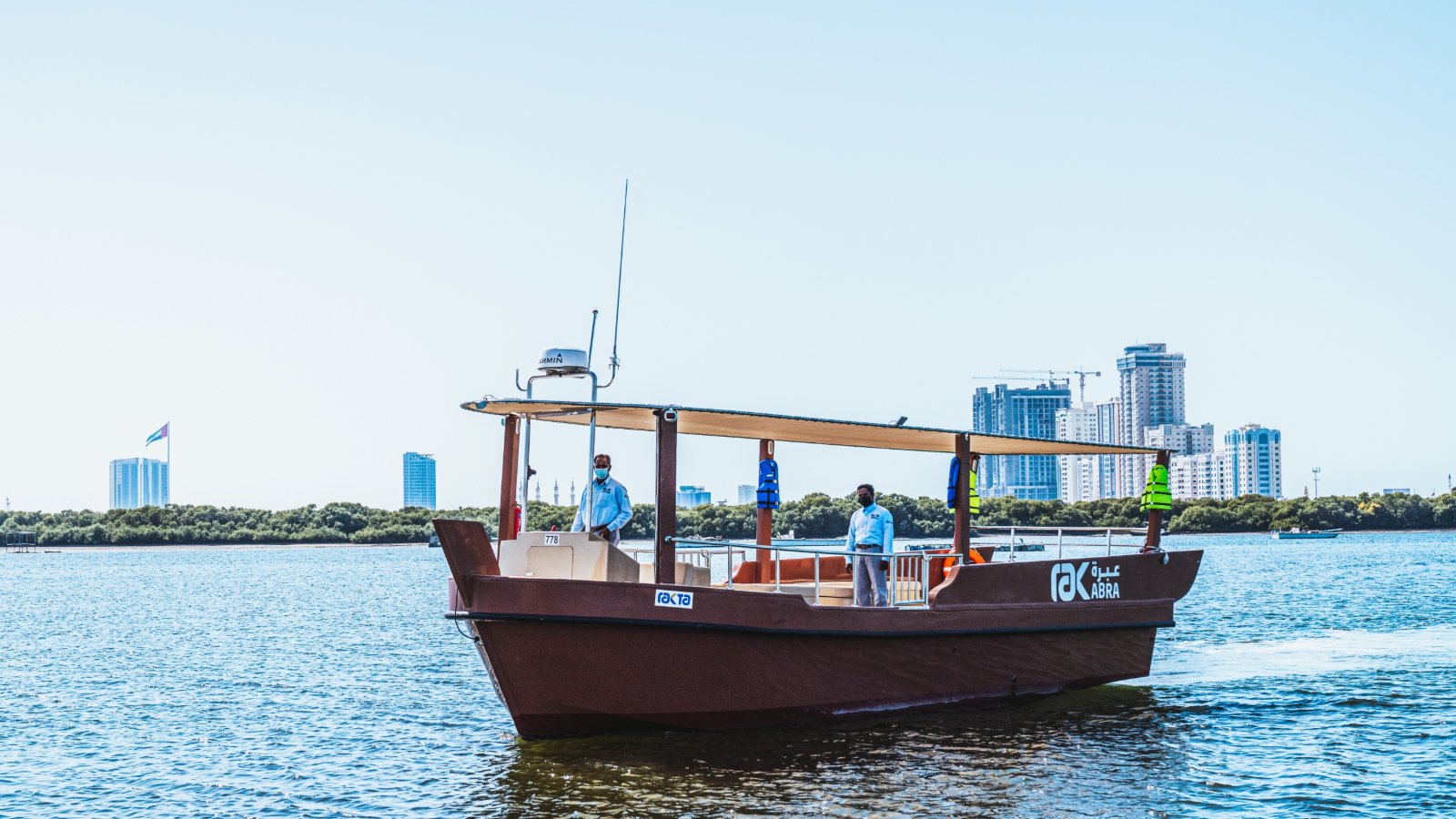
Ras Al Khaimah is preparing to unveil a new marine transport project featuring advanced technology designed to significantly reduce journey times and provide passengers with a faster alternative to road travel.
The announcement is expected within days, with the initiative forming part of the emirate's wider transport development strategy leading up to 2030. The project will introduce transport solutions being implemented for the first time in the region and is expected to improve connections within Ras Al Khaimah and with destinations beyond the emirate.
Speaking to Khaleej Times on the sidelines of the Ras Al Khaimah Energy Summit, Dr Mohammed Abdullah Al Sharhan, Director of the Strategic Planning and Investment Department at Ras Al Khaimah Transport Authority (RAKTA), said agreements related to the new marine transport services would be announced shortly.
He indicated that the proposed solutions would significantly cut travel times compared with road journeys. However, specific routes, journey durations and details of the technology have not yet been disclosed.
Flying Taxis Planned for Ras Al Khaimah in 2027
Alongside its marine transport plans, Ras Al Khaimah is targeting the third quarter of 2027 to launch flying taxi services connecting Al Marjan Island and Jebel Jais.
The project is intended to support the emirate's growing tourism and economic sectors while introducing additional mobility options for residents and visitors.
RAKTA has signed an agreement with Skyports to develop the infrastructure required for flying taxi operations, with station design work already underway.
The initial phase will focus on the two major tourist destinations, while further locations are being considered as part of the authority's transport plans through 2030. Although journey times have not been confirmed, the service is expected to significantly reduce travel compared with conventional transport.
RAKTA Plans an Integrated Transport Network
Beyond marine and air mobility, the authority is working towards an integrated transport network that connects different services and reduces dependence on private cars.
The plans include expanding smaller mobility options, such as bicycles and electric scooters. A project is planned for Al Nakheel, with future links to major bus stations also being considered.
Autonomous vehicles could form another part of the network, helping passengers travel between their homes, workplaces and public transport hubs. For example, residents could use a bicycle or autonomous vehicle to reach a bus station before continuing their journey by public transport.
Digital Platforms to Connect Transport Services
RAKTA is also working to integrate transport services through digital applications. The platforms are expected to help passengers view available routes, plan journeys involving multiple transport modes and make payments through a more seamless process.
Al Sharhan said the authority's planning focuses on three key considerations for passengers: how to reach their destination, how long the journey will take, and whether the service is safe and reliable.
By combining marine transport, flying taxis, public buses, autonomous vehicles and smaller mobility options, Ras Al Khaimah aims to develop a connected transport system that makes public transport more convenient for everyday travel.