
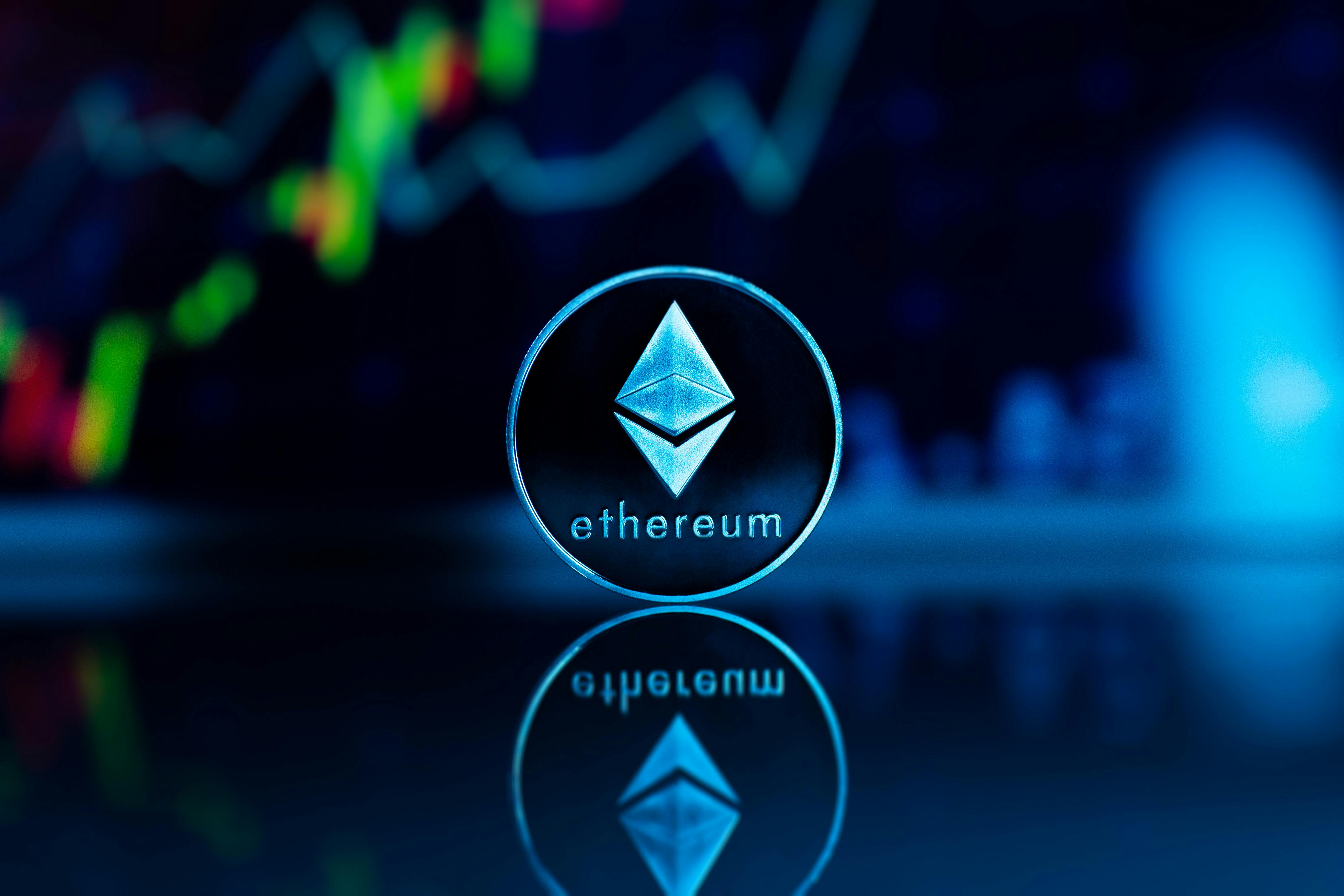
If Tokenization Wins in Dubai, Ethereum May Be the Quiet Beneficiary
Dubai has years of experience in developing the reputation of one of the world's most ambitious digital asset hubs, and tokenization is one of the most apparent manifestations of that vision. The city is also attempting to lure crypto traders or blockchain startups. It is establishing itself as a location where physical property, financial infrastructure, and digital property models can enter a more pragmatic, scalable phase. This is important, as the concept of tokenization is no longer seen as futuristic. In Dubai, it is becoming a broader strategy across finance, real estate, and global capital flows.
It is there that the ethereum price is included in a much broader narrative. Ethereum is not necessarily the marquee event in Dubai's tokenization drive, and it might not be the brand most vociferously attached to all projects. However, assuming that tokenization really gains ground in the city, Ethereum will have to be one of the largest collateral victors. This is because tokenization requires rails, standards, liquidity, and credibility. Ethereum continues to offer most of them in a superior manner compared to nearly all other blockchain networks.
Dubai Wants More Than a Crypto Image
Digital ambitions about Dubai are sometimes confused with branding. Admittedly, the city has positioned itself as a visionary jurisdiction through vigorous marketing, and that image has helped attract exchanges, founders, and investors in financial markets. Branding is not all there is. What type of digital finance ecosystem Dubai is attempting to establish is the more significant question.
An excellent solution is to tokenize. A modernizing city cannot afford to do with token trading. It requires systems capable of representing ownership, simplifying settlement, facilitating access to fractions, and mapping physical assets to programmable digital infrastructure. This is why tokenization is so well aligned with Dubai's overall economic logic. It aligns with the city's goal of being efficient, globally interconnected, and open to novel asset mobility.
In case Dubai thrives in this regard, it will not be merely another crypto success story. The development of an environment in which blockchain becomes part of the normal financial architecture will be it. That is the sort of environment where Ethereum is likely to be relevant, even when it is not necessarily the most vociferously promoted component of the stack.
Ethereum’s Advantage Is Not Hype but Structure
The market value of Ethereum has never been its everlasting strength. The greater benefit lies in its structural form. The process of tokenization is not limited to on-chain assets. It involves having a standards-based network, familiarity with developers, wallet interoperability, depth of ecosystem, and sufficient trust to warrant institutions committing to it.
Moreover, this is why Ethereum remains so pertinent to a serious discussion of tokenization. It already has an extensive record of token standards, digital asset issuance, stablecoin activity, and programmable financial applications. The importance of that history is that legible, battle-tested networks that are heavily integrated are favored by institutions and developers.
The tokenization interests in Dubai can entail various chains, alliances, and developing technical designs. However, when the push is scale-specific to the city, Ethereum will probably gain, since it still provides the sort of mature infrastructure that the tokenization of real assets should provide. Ethereum's speed or cost can be a competitive advantage in a market with numerous networks, but depth often becomes one.
Tokenization Needs Liquidity, Not Just Technology
Only the liquidity around a tokenized market is as useful as the market itself. Developing digital versions of assets alone will not be sufficient if those assets cannot be traded, collateralized, transferred, or integrated into a broader financial ecosystem. This can be considered another reason why Ethereum can be a silent beneficiary of Dubai's strategy.
Ether has a strong relationship with the digital asset economy. Stablecoins, custody products, wallets, market infrastructure, and DeFi rails have all been years in the making of Ethereum-compatible logic. That gives tokenized assets a greater opportunity to be economically viable rather than technical experiments.
For instance, Binance also plays a role here. Directly or indirectly, larger exchanges such as Binance contribute to the larger liquidity environment that lends blockchain ecosystems practicality. Dubai can provide the right environment for tokenization, but tokenized assets must still have access to global markets. The nearer the said markets are to Ethereum-oriented infrastructure, the more Ethereum can benefit.
This is not to say that Binance is here to legitimize Ethereum in particular. It implies that big exchange ecosystems assist in maintaining the flow of capital, visibility and interoperability on the networks that are important. As the tokenization market in Dubai grows, the people around liquidity systems will play a significant role in deciding which chains will receive the greatest benefits.
Stablecoins Could Be the Bridge
Stablecoins are among the most significant links between Dubai's tokenization drive and the future of Ethereum. Practically, tokenized markets require stable digital money to operate seamlessly. Settlement, collateral, yield products, and on-chain transfers are all simplified when a widely accepted, blockchain-native unit of value traverses the same ecosystem.
Ethereum is a focus of that world. One of its most successful areas of application has been stablecoins; that puts it at a structural advantage within any tokenized financial ecosystem. When Dubai's tokenization strategy becomes a serious market, it is highly likely that it will depend not only on asset issuance but also on credible on-chain money. It makes Ethereum more applicable than it might seem.
Here comes Binance once again, since the exchange connectivity tends to affect the flow of digital dollars and tokenized assets across jurisdictions. The deeper the connection between tokenized products and liquid ecosystems of exchange-linked stablecoins, the more valuable established blockchain rails become. That makes Ethereum an obvious beneficiary of this arrangement.
Quiet Beneficiaries Often Win the Most
Part of the reason Ethereum might make quiet gains rather than loud gains is that infrastructure victors are typically not in charge of branding. The tokenization story may feature cities, developers, property groups, regulators, and financial firms as headlines. They can discuss innovation, access, and modernization without having to keep referring to the underlying blockchain layer. That does not imply that the underlying network is not important. In most instances, it is the reverse.
It is the most enduring infrastructure that tends to fade into the background simply because it works. Should Dubai manage to turn tokenization into a normal, practical, and investable experience, the networks that enable that shift will be valuable even without having the visible side of all efforts. Ethereum is in a good place to see that sort of upside since its use is not contingent on theatrics. It relies on the continued utility.
Dubai’s Win Could Be Ethereum’s Quiet Gain
With tokenization victorious in Dubai, Ethereum can be one of the largest unspoken beneficiaries, as it already has the standards, ecosystem depth, and financial familiarity needed for large-scale tokenization. Dubai can offer the policy ambition, the business environment and international presence.
This is why this story is important. It is not just about whether Dubai can become a tokenization hub. It also concerns what blockchain ecosystems covertly begin to strengthen as real-world finance transitions on-chain. Ethereum is not necessarily the star in the spotlight, yet if Dubai's plan succeeds, it might turn out to be one of the major behind-the-scenes success stories.






Add Your Directory With Us
Boost your visibility with our Business Directory

Add Your BCard With Us
Open the door to new professional connections.
DayOfDubai
Business Services
