
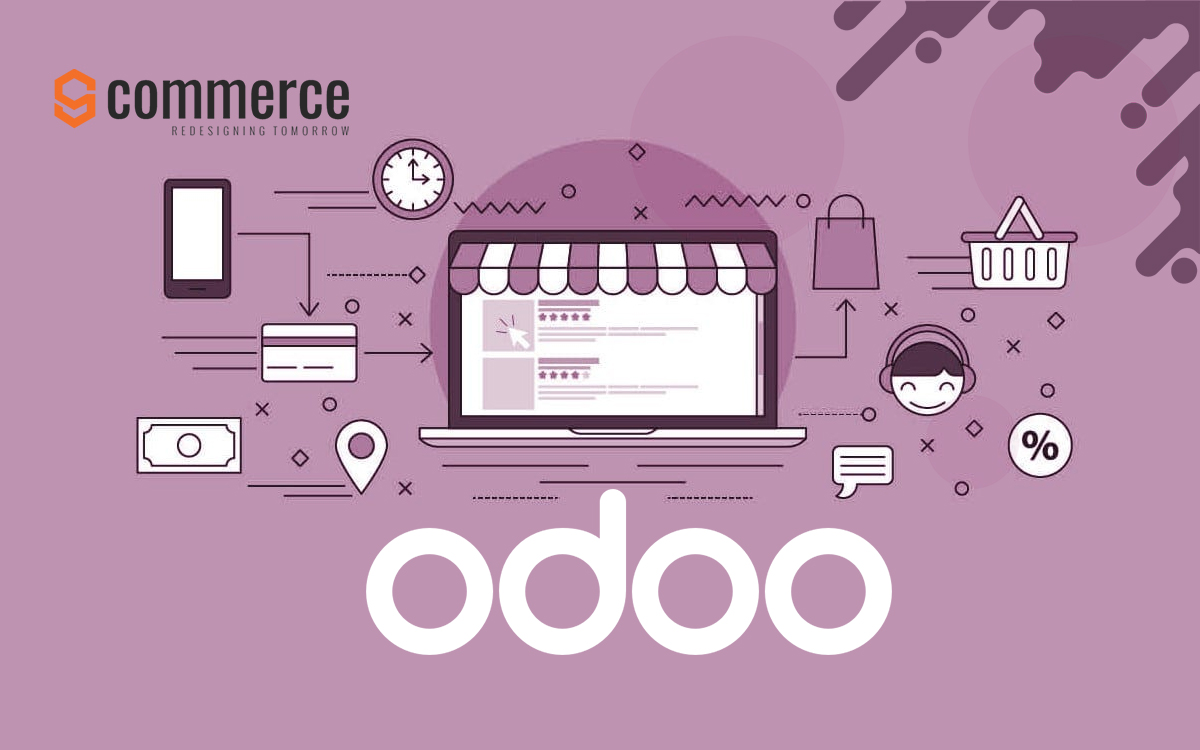
How Odoo Is Reshaping Retail Operations in the UAE: An Inside Look
Introduction
If you walk through any of Dubai's main retail areas, you'll see something that doesn't get spoken about much in IT circles. Retailers are managing an unseen web of moving elements behind the polished windows, shiny displays, and constant foot traffic.
Stock moves between warehouses and stores; online orders increase at night while people browse; deliveries move between emirates; and consumer expectations rise slightly every season.
The UAE Retail Space - Making the Difference
It’s a system that looks effortless on the surface, but anyone who has worked in UAE retail knows how hectic the backend can become. Somewhere between festival sales, influencer drops, and sudden bursts of tourist demand, the entire operation needs a structure sturdy enough to keep the business running, yet flexible enough to change direction without breaking.
This is where Odoo has been carving out space, not with a significant entrance, but with a quiet, practical approach that retail teams appreciate.
In a market that values speed and seamless experience, a tool that ties everything together without demanding a complete reinvention becomes surprisingly valuable.
The UAE Retail Environment Is Different, and Odoo Happens to Fit That Difference
When people talk about retail transformation in Dubai or Abu Dhabi, they often mention luxury shoppers, international brands, and new store concepts. What gets overlooked is the operational layer beneath all that.
Retailers here manage multiple sales channels, pop-ups during peak seasons, warehouse networks spread across emirates, and online stores that need real-time accuracy.
This is where partnering with a specialized Odoo development company in Dubai becomes essential. Odoo serves as a counterweight to that complexity.
There’s little room for misalignment. If the website shows stock that isn’t actually in the warehouse, customers will be less likely to proceed. If a store can’t instantly see an online reservation, the sale evaporates. If the POS system freezes during a Friday rush, well, no one forgets that kind of chaos.
Most brands reach a point where they have separate systems: a POS that works only for stores, an ERP that no one fully understands, an inventory tool that lives in spreadsheets, and an online platform that requires manual syncing. Retailers don’t set out to create these silos; they simply happen as the business grows.
Odoo serves as a counterweight to that complexity. Not because it promises magic, but because it behaves like a single living environment where all the moving parts can finally talk to each other.
A Closer Look at the Problems Odoo Solves Without Making a Big Deal About It
Every retail brand experiences a few recurring frustrations, even if they describe them differently. When you strip away the jargon, the issues sound surprisingly similar.
Inventory Becomes a Guessing Game
Products move faster than teams can track. One store over-orders, another runs dry, and the online shop keeps apologizing for overselling. Odoo’s strength here isn’t flashy; it's the consistency of having one source of truth. When stock moves in Sharjah, the system updates in Dubai Mall before staff even have a chance to check.
POS Needs to Behave During Crunch Time
Retail in the UAE doesn’t run at a steady pace. Traffic spikes around sales festivals, tourism waves, and holidays. POS interruptions become costly very quickly. Odoo’s interface stays light, responsive, and familiar enough for staff to pick up without a training marathon.
eCommerce Syncing Breaks More Often Than It Should
Retailers often rely on Shopify or Magento for online sales. These platforms are powerful, but only when integrated well. Odoo doesn’t try to replace them; it simply complements them. Orders, cancellations, returns, promotions, and customer data move across systems without the tedious manual handholding that teams often accept as “normal.”
Procurement Needs Predictability
Retailers spend a shocking amount of time chasing suppliers or intervening in purchase cycles that should run on autopilot. Odoo’s procurement structure helps stabilize the process by triggering alerts, shaping reorders, and creating a rhythm teams can rely on.
Customer Behavior Feels Disconnected
A customer may buy from a kiosk today, your eCommerce store tomorrow, and your flagship location next week. Without a unified CRM view, retailers lose sight of who their customers actually are. Odoo ties these interactions together so patterns emerge naturally.
Why This Matters More in the UAE Than in Other Markets?
Retail here isn’t just fast; it’s culturally layered. You serve Emiratis with expectations of efficiency, expats who have seen global retail standards, and tourists who expect polished experiences from the moment they step in.
This creates conditions in which fragmented systems don’t just slow teams down; they also weaken the brand’s ability to compete. Navigating these challenges requires more than just a platform; it requires the expertise of a software development company like Brainvire, which acts as a dedicated Odoo partner and service provider to bridge the gap between technology and local market demands.
Odoo adapts well to this environment because:
- It handles multi-currency and multi-company structures without overcomplication.
- Its Arabic interface helps brands reach local audiences
- It integrates cleanly with popular UAE payment gateways
- It scales from boutique stores to multi-location chains
- It supports a retail culture that values consistency across online and offline touchpoints
Retailers don't need a massive enterprise suite with a six-month learning curve; they need something intuitive that lifts the weight off their operations.
Closing Thought
Retail in the UAE has always thrived on presentation, innovation, and customer experience. However, behind every immaculate storefront is an operational system that determines whether the business thrives or struggles.
With Odoo as the foundation of operations, retailers can focus on the core aspects of their business. It allows them to manage customer relations while scaling and driving sales. Therefore, Odoo is not just an enabler; it also enables companies to move beyond traditional operations and focus on what’s right for their growth.







Add Your Directory With Us
Boost your visibility with our Business Directory

Add Your BCard With Us
Open the door to new professional connections.
DayOfDubai
Business Services
