
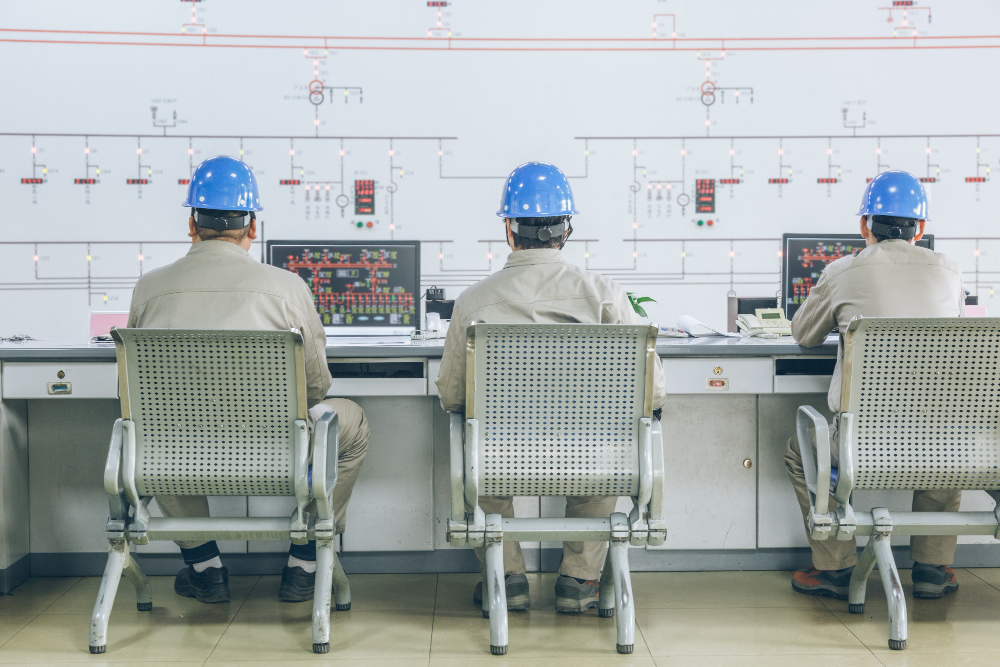
How Executives Should Approach Switchgear Modernization Plans
Executives responsible for infrastructure reliability increasingly recognize that ageing switchgear limits operational continuity, safety assurance, and future scalability across critical facilities. A structured modernization plan helps leadership teams strengthen power distribution resilience while aligning investments with long-term business priorities.
Decision-makers who approach switchgear upgrades strategically can improve asset performance, reduce operational disruptions, and support controlled expansion across industrial and commercial environments.
Understanding the Strategic Importance of Switchgear Modernization
Switchgear functions as a core electrical instrument that controls, protects, and isolates power systems across industrial and commercial operations. Outdated equipment often struggles to meet modern load demands, operational safety expectations, and evolving regulatory requirements. Executives benefit from viewing modernization as a strategic initiative rather than a reactive maintenance decision.
A structured upgrade plan enables leaders to incorporate advanced protection devices, improved monitoring capabilities, and better system coordination. Modern switchgear supports improved fault isolation, controlled power distribution, and safer maintenance practices across complex electrical networks. These outcomes directly support operational stability and executive accountability.
Assessing Existing Infrastructure with a Risk-based Approach
Executives should begin modernization planning with a comprehensive assessment of installed electrical equipment and connected devices. Asset condition reviews help identify performance limitations, obsolescence risks, and safety exposure within existing switchgear installations.
A risk-based assessment prioritizes areas where failures could disrupt production, compromise safety, or impact revenue continuity. Leaders can then allocate budgets more effectively by focusing upgrades on high-impact zones. This disciplined approach ensures modernization investments deliver measurable operational value rather than incremental improvements.
Aligning Modernization Goals with Business Objectives
Switchgear modernization plans achieve stronger outcomes when aligned with broader organizational goals. Executives should clearly define objectives related to reliability, capacity expansion, operational efficiency, and maintenance optimization.
Clear alignment allows engineering teams to deploy suitable equipment configurations that support future growth without excessive redesign. Leaders who incorporate long-term capacity planning reduce the likelihood of repeated upgrades and unplanned downtime. Strategic alignment also strengthens internal justification for capital expenditure approvals.
Selecting Technology That Supports Operational Control
Modern switchgear solutions offer advanced protection, communication, and monitoring capabilities when compared to legacy designs. Executives should ensure selected systems incorporate intelligent relays, accurate measurement devices, and robust fault management functions.
The ability to employ digital monitoring supports data-driven decision-making at executive and operational levels. Improved visibility into system performance helps leadership teams manage risk proactively and plan maintenance activities with confidence. Technology selection should focus on reliability, scalability, and operational transparency.
Planning Deployment with Minimal Operational Disruption
Executives must ensure modernization projects deploy efficiently without disrupting ongoing operations. Phased implementation strategies allow teams to incorporate new switchgear sections while maintaining continuity across critical circuits.
Careful planning enables organizations to deploy upgraded equipment during scheduled outages or low-demand periods. Leadership oversight remains essential to coordinate engineering teams, operations managers, and safety personnel. Structured deployment minimizes downtime while maintaining productivity throughout the transition.
Strengthening Safety and Compliance Outcomes
Modern switchgear designs improve operator safety through enhanced arc protection, controlled access compartments, and improved fault-clearing mechanisms. Executives responsible for workforce safety benefit from systems that reduce exposure to electrical hazards.
Upgraded electrical equipment also supports compliance with evolving industry standards and inspection requirements. Proactive modernization demonstrates executive commitment to safe operations and regulatory adherence. These measures strengthen organizational resilience and reduce incident-related liabilities.
Leveraging Lifecycle Value and Maintenance Efficiency
Switchgear modernization should incorporate lifecycle considerations rather than focusing solely on initial acquisition costs. Executives gain long-term value by selecting equipment designed for durability, ease of maintenance, and availability of replacement components.
Modern systems allow maintenance teams to employ predictive servicing approaches supported by diagnostic data. Reduced unplanned outages and extended service life contribute directly to improved return on investment. Lifecycle-focused planning ensures modernization delivers sustained operational benefits.
Build a Structured Path Toward Reliable Power Infrastructure
Executives who approach switchgear modernization plans with structure, clarity, and strategic intent strengthen operational resilience across their organizations. A disciplined focus on assessment, alignment, technology selection, and collaboration enables leadership teams to deploy reliable electrical equipment confidently.
Organizations seeking sustained performance should prioritize structured modernization strategies supported by experienced electrical partners to secure long-term infrastructure reliability and operational confidence.








Add Your Directory With Us
Boost your visibility with our Business Directory

Add Your BCard With Us
Open the door to new professional connections.
DayOfDubai
Business Services
