

Expat Rights in Dubai vs Emirati Citizens: The Real Divide in the UAE

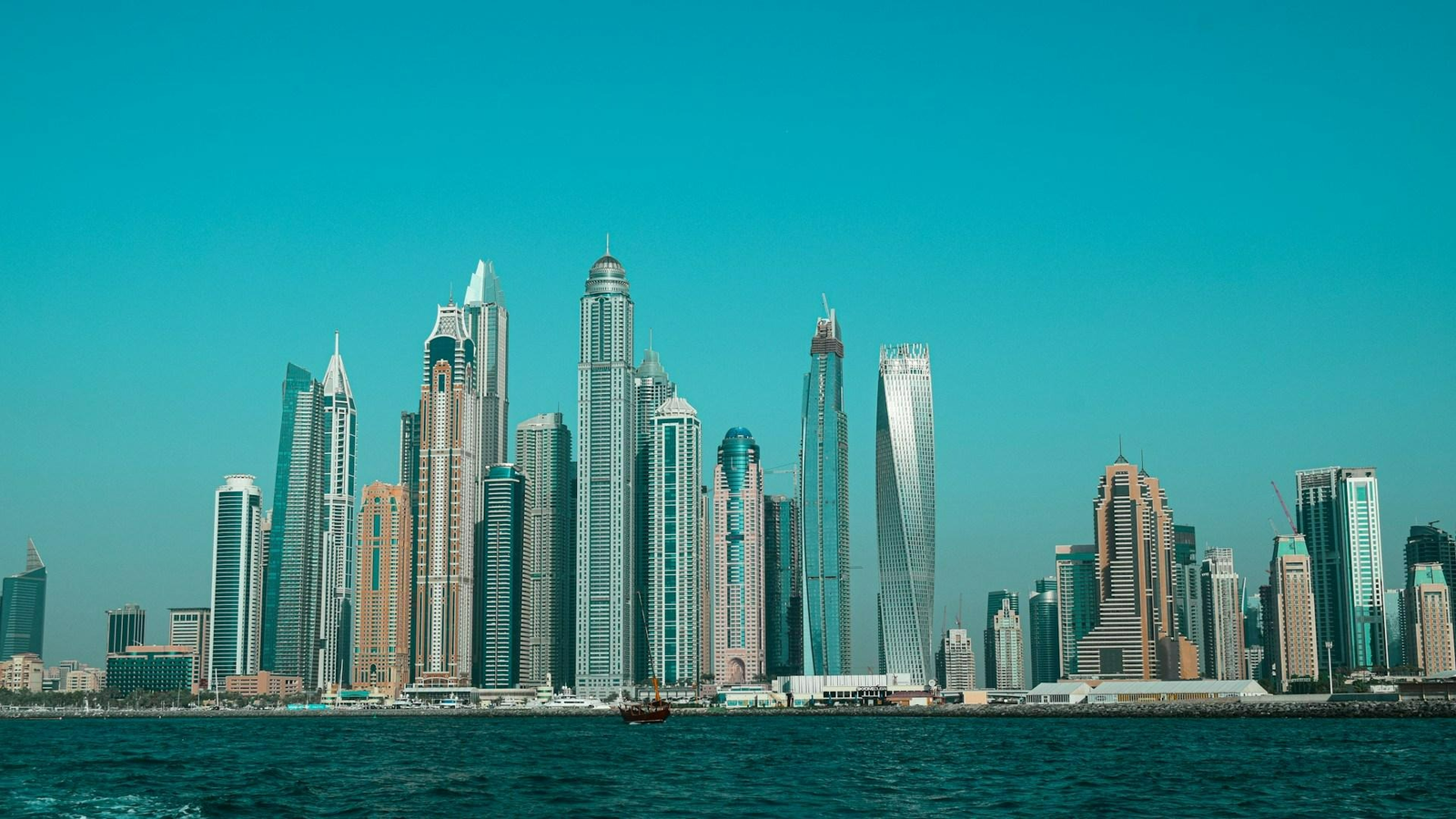
Dubai’s glittering skyline and tax-free lifestyle attract millions of foreigners every year. From entrepreneurs to engineers, expats have built the city into a global hub of innovation and luxury. Yet beneath the surface, expat rights in Dubai differ sharply from those of Emirati citizens.
This isn’t a minor legal detail but a defining feature of life in the United Arab Emirates: two populations living under two very different systems.Citizenship in the UAE: Who Truly Belongs
Roughly 90% of Dubai’s population are expatriates. Indians, Filipinos, Pakistanis, British, and Europeans live side by side with Emiratis. But while the city feels international, citizenship remains tightly guarded.
Emirati citizens are born into full rights: permanent residence, social benefits, political participation, and land ownership anywhere in the UAE.
Expats, on the other hand, live under residency permits linked to their employer or sponsor. Losing a job can mean losing the legal right to stay. There is no clear path to naturalization, except in rare cases where the government grants citizenship for exceptional contributions.
Residency and Visa System for Expats in Dubai
Every foreigner in Dubai lives under a visa system tied to employment or family sponsorship. Expats can renew and extend their visas, but it remains temporary by nature.
By contrast, Emirati citizens have an automatic and unconditional right to reside, work, and access public services anywhere in the UAE. This legal structure ensures that the state maintains demographic and social control, while still welcoming the economic power of foreign workers.
Employment and Emiratization Policies
Dubai’s economy runs on expat labor, but not all jobs are accessible to foreigners. Government, military, and many public administration roles are reserved for Emiratis.
Expats are governed by UAE Labor Law, which regulates work contracts, termination, and benefits. Emiratis, meanwhile, enjoy separate, often more favorable conditions in public employment, such as shorter working hours and stronger job security.
In recent years, the UAE has introduced “Emiratization” policies, requiring private companies to hire a certain percentage of nationals. The goal is to reduce dependency on foreign labor, but it also reinforces the two-track employment system that defines Dubai’s labor market.
Social Benefits and Living Costs
The social safety net is another clear dividing line. Emiratis receive extensive benefits from the state, including:
- Free education
- Free public healthcare
- Marriage and housing grants
- Family allowances and subsidized utilities
Expats receive none of these. They must pay for private healthcare, international schools, and market-rate housing. While Dubai’s infrastructure and safety make it a desirable posting, the cost of living for foreigners is significant — and rising.
Property Ownership: Freehold vs Restricted Zones
Real estate is one area where Dubai has opened opportunities for expats, but with limits.
Foreigners can own property only in designated freehold areas, such as Dubai Marina, Palm Jumeirah, or Downtown Dubai. Outside these zones, full ownership is restricted to Emirati nationals.
Citizens can purchase land and property anywhere in the UAE without restriction, reflecting their privileged legal status in the country’s economy.
Legal System and Emirati vs Expat Law
Dubai operates under a mixed civil and Sharia-based legal system. All residents, citizens or not, must obey UAE law. However, in personal matters such as marriage, divorce, and inheritance, Emiratis follow Sharia law, while expats may sometimes request that their home country’s laws apply.
In practice, the system favors nationals, and outcomes for foreigners can vary depending on their religion, nationality, and the court’s interpretation.
Political Rights and Representation
Only Emirati citizens can vote, run for office, or participate in government decision-making.
Foreigners, regardless of how long they have lived in the UAE, have no political rights or representation.
For expats, this trade-off is part of the deal: the UAE offers economic opportunity and personal safety, but not political participation.
Example: How Expats Handle Restrictions, Including Online Betting
Legal restrictions affect not only work and property but also entertainment. A clear example is online betting, which is prohibited under UAE law.
However, many expatriates, especially from Europe or Asia, are accustomed to online sportsbooks and casinos. To navigate these restrictions safely, they often turn to internationally licensed platforms based abroad.
For instance, websites like list of all bookmakers provide trusted information about legal and reputable betting sites worldwide, allowing expats to find safe alternatives that comply with offshore regulations rather than UAE law.
This mirrors the broader pattern of expat life in Dubai: finding global solutions for local limits.
Life in Dubai as a Foreigner: Integration Without Citizenship
Despite the differences, Dubai remains one of the most open and tolerant cities in the Middle East. The government promotes multicultural coexistence, modern infrastructure, and personal safety.
Expats enjoy a level of comfort, freedom, and luxury rarely found elsewhere in the region. Yet for all its openness, true integration ends where citizenship begins. Foreigners can thrive, but they cannot belong in the full legal sense.
Prosperity Without Parity
Dubai’s model depends on balance. It welcomes global talent and capital while protecting national identity and control. The result is a city of extraordinary diversity and opportunity — but also of legal inequality.
For many expatriates, the arrangement works. They come to earn, learn, and live well, even if only temporarily.
For Emiratis, it ensures that their sovereignty and social benefits remain intact.
In the end, life in Dubai for expats is both a privilege and a limitation: a chance to live in one of the world’s most dynamic cities, without ever fully becoming part of it.